
Damage Restoration in Elsmere, DE
- Damage Restoration Services Overview
- Common Damage Restoration Issues in Elsmere, Delaware
- Neighborhoods We Serve in Elsmere
- Seasonal Damage Patterns in Elsmere
- Housing Characteristics & Restoration Considerations
- Environmental Conditions & Damage Implications
- Delaware River Proximity and Flood Risk Management
Damage Restoration Services Overview
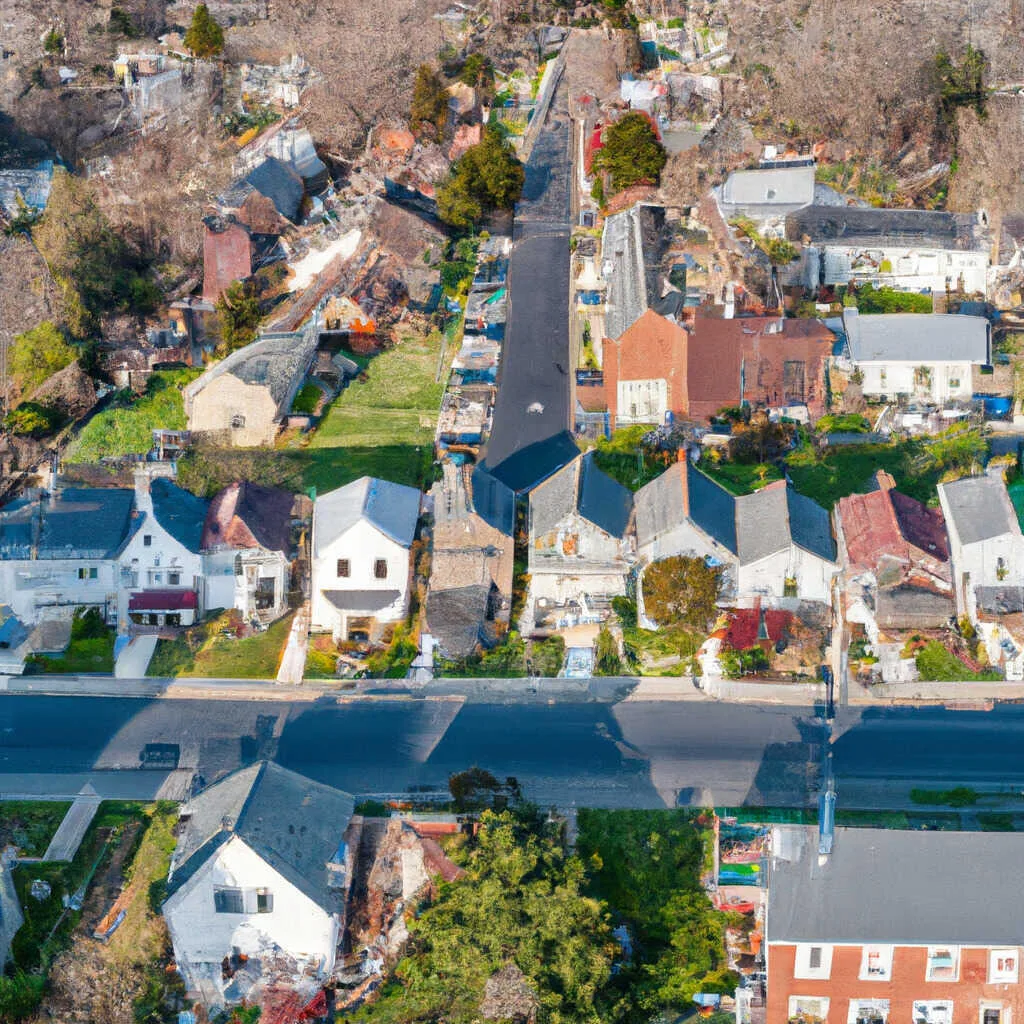
Imagine returning home after a weekend away to find your basement flooded from a burst pipe, or waking up to the acrid smell of smoke from an electrical fire. Property damage strikes without warning, leaving homeowners feeling overwhelmed and uncertain about next steps.
Professional damage restoration services provide the expertise and equipment needed to restore your property safely and efficiently. Our comprehensive restoration services in Elsmere include:
- Water damage restoration for burst pipes, appliance failures, and storm flooding
- Flooded basement cleanup with advanced water extraction and drying techniques
- Sewage cleanup addressing health hazards and contamination risks
- Fire damage restoration including structural repairs and odor elimination
- Smoke damage restoration targeting soot removal and air purification
- Mold removal using IICRC-certified protocols and containment procedures
Each service addresses specific challenges while working toward the same goal: returning your property to its pre-damage condition. Quick response times prevent secondary damage, while professional-grade equipment ensures thorough restoration.
IICRC-certified technicians bring specialized training to each project, understanding how different materials react to water, fire, and biological contaminants. This expertise proves invaluable when dealing with Delaware's humid climate and the unique challenges it presents for property restoration.
Common Damage Restoration Issues in Elsmere, Delaware
Elsmere's location in New Castle County creates specific environmental conditions that contribute to various property damage scenarios. The area's proximity to the Delaware River and seasonal weather patterns increase risks for multiple types of damage.
Water-related issues frequently affect local properties due to:
- Spring snowmelt causing basement flooding in lower-lying areas
- Summer thunderstorms overwhelming drainage systems
- Aging plumbing in older neighborhoods leading to pipe failures
- High humidity levels promoting mold growth in basements and crawl spaces
- Sump pump failures during heavy rain events
Fire and smoke damage incidents often result from:
- Electrical system overloads in older homes
- Kitchen fires from cooking accidents
- Chimney and fireplace malfunctions during winter months
- Space heater incidents when temperatures drop
Warning signs homeowners should monitor include water stains on ceilings or walls, musty odors indicating mold growth, discolored grout or caulking, and unusual increases in utility bills suggesting hidden leaks. Sewage backup risks increase during heavy rainfall when municipal systems become overwhelmed.
Early detection and professional intervention prevent minor issues from becoming major restoration projects, saving both time and money while protecting your family's health and safety.
Neighborhoods We Serve in Elsmere
Our restoration services cover all residential areas throughout Elsmere and the surrounding New Castle County communities. We respond quickly to calls from established neighborhoods as well as newer developments.
Primary service areas include:
- Downtown Elsmere residential districts with historic properties
- Suburban developments along Kirkwood Highway
- Single-family neighborhoods near Elsmere Elementary School
- Townhome communities throughout the area
- Adjacent areas in Newport and Wilmington Manor
- Properties along the Delaware River corridor
Each neighborhood presents unique restoration challenges based on home age, construction methods, and proximity to water sources. Our technicians understand these local factors and adjust their approach accordingly.
Response times remain consistent across all service areas, with emergency crews available 24/7 for urgent situations requiring immediate attention. Whether dealing with a flooded basement in a century-old home or smoke damage in a modern development, our team brings the same level of expertise and professionalism to every project.
Seasonal Damage Patterns in Elsmere
Delaware's four-season climate creates predictable patterns for different types of property damage throughout the year. Understanding these cycles helps homeowners prepare and respond appropriately.
Spring brings the highest risk for water damage as:
- Snowmelt combines with spring rains to overwhelm drainage systems
- Frozen pipes thaw and reveal winter damage
- Basement flooding peaks during March and April
- Mold growth accelerates with increased humidity
Summer months see increased activity in:
- Thunderstorm-related water damage from June through August
- Sewage backup incidents during heavy rainfall events
- Air conditioning failures leading to water damage
- Higher mold removal requests due to humidity
Fall and winter patterns include:
- Fire damage incidents increasing from October through February
- Smoke damage from heating system malfunctions
- Pipe freeze damage during cold snaps
- Holiday cooking fires in November and December
Year-round issues include appliance failures, plumbing leaks, and electrical fires that can occur regardless of season. Our emergency response teams remain fully staffed throughout the year to address these unpredictable incidents.
Housing Characteristics & Restoration Considerations
Elsmere's housing stock reflects decades of development, with properties ranging from early 20th-century homes to modern construction. This diversity creates unique challenges for restoration professionals who must adapt their techniques to different building materials and methods.
Older homes built before 1950 typically feature:
- Plaster walls that require specialized water damage restoration techniques
- Knob-and-tube wiring increasing fire damage risks
- Basement foundations prone to water infiltration
- Limited insulation affecting mold growth patterns
- Original hardwood floors requiring careful water extraction methods
Mid-century properties from 1950-1980 commonly have:
- Drywall construction allowing faster water damage restoration
- Improved electrical systems reducing fire risks
- Concrete block basements with different waterproofing needs
- Asbestos-containing materials requiring special handling during restoration
Modern homes built after 1990 generally feature:
- Advanced building materials that resist water damage
- Improved ventilation systems reducing mold risks
- Modern electrical systems with safety features
- Better insulation and vapor barriers
Each construction type requires different approaches for water extraction, structural drying, fire damage repair, and mold remediation. Understanding these differences allows restoration teams to work efficiently while preserving the property's integrity and value.
Environmental Conditions & Damage Implications
Elsmere's environmental conditions significantly influence property damage risks and restoration requirements. The area's humid subtropical climate creates challenges that restoration professionals must address through specialized techniques and equipment.
Climate factors affecting restoration include:
- Average humidity levels of 60-70% promoting mold growth year-round
- Annual precipitation of 45 inches increasing water damage risks
- Temperature fluctuations causing expansion and contraction in building materials
- Coastal influence creating salt air that affects metal components
Soil conditions in the area feature:
- Clay-heavy composition that retains water around foundations
- Poor drainage characteristics leading to basement flooding
- Seasonal ground movement affecting foundation integrity
- High water table levels in some neighborhoods
Air quality considerations include:
- Industrial activity in nearby areas affecting indoor air during restoration
- Seasonal pollen loads requiring enhanced filtration during smoke damage cleanup
- Traffic-related pollutants that can complicate fire damage restoration
These environmental factors require restoration teams to use commercial-grade dehumidifiers, air scrubbers, and specialized drying techniques. Mold removal projects often need extended monitoring periods due to the humid climate, while water damage restoration requires aggressive moisture control to prevent secondary damage.
Understanding local environmental conditions allows restoration professionals to anticipate challenges and implement appropriate solutions from the start of each project.
Delaware River Proximity and Flood Risk Management
Elsmere's location near the Delaware River creates unique flood risks that require specialized restoration approaches. Properties in lower-lying areas face particular challenges during heavy rainfall events and seasonal flooding.
River proximity affects restoration needs through:
- Groundwater infiltration during high river levels
- Sewer system backups when municipal systems become overwhelmed
- Contaminated floodwater requiring specialized sewage cleanup protocols
- Extended drying times due to high ambient humidity from the river
- Increased mold risks from persistent moisture sources
Flood-related restoration challenges include:
- Immediate water extraction using truck-mounted equipment for large volumes
- Contamination assessment to determine appropriate safety protocols
- Structural drying with industrial dehumidifiers and air movers
- Content evaluation and restoration for salvageable items
- Antimicrobial treatment to prevent bacterial growth
- Long-term moisture monitoring to prevent mold development
Properties near the river often experience basement flooding during spring snowmelt and summer storm events. These incidents frequently involve sewage contamination, requiring Category 3 water damage restoration protocols with enhanced safety measures.
Restoration teams working in flood-prone areas must coordinate with local emergency services and follow environmental regulations for contaminated water disposal. Advanced moisture detection equipment helps identify hidden water damage in wall cavities and subfloor areas where river-related flooding often penetrates.
Post-flood mold prevention becomes especially important due to the area's humidity levels and the organic materials commonly found in floodwater. Professional restoration includes thorough disinfection and antimicrobial applications to create an environment resistant to future mold growth.





