
Damage Restoration in Snowflake, AZ
- Damage Restoration Services Overview
- Common Damage Restoration Issues in Snowflake, Arizona
- Neighborhoods We Serve in Snowflake
- Seasonal Damage Patterns in Snowflake
- Housing Characteristics & Restoration Considerations
- Environmental Conditions & Damage Implications
- High-Altitude Restoration Challenges in Snowflake
Damage Restoration Services Overview
Property damage left untreated can spiral into devastating financial losses and health hazards within days. What begins as a small water leak or smoke residue can quickly transform into structural damage, mold growth, and complete property loss.
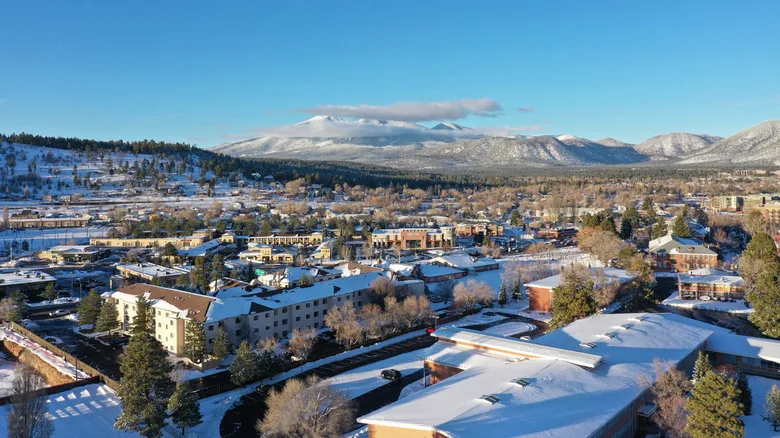
Snowflake residents face unique restoration challenges due to the area's elevation, seasonal weather patterns, and housing characteristics. Professional restoration services address these challenges through specialized techniques and equipment designed for our high-desert environment.
Our comprehensive restoration services include:
- Water Damage Restoration - Rapid extraction, drying, and dehumidification to prevent secondary damage
- Flooded Basement - Complete basement water removal and structural drying
- Sewage Cleanup - Safe removal and sanitization of contaminated materials
- Fire Damage Restoration - Structural repairs and debris removal
- Smoke Damage Restoration - Odor elimination and soot removal from all surfaces
- Mold Removal - Complete remediation and prevention strategies
Professional restoration protects your investment while ensuring your family's safety. Quick response times and proper techniques prevent minor incidents from becoming major disasters, saving thousands in potential reconstruction costs.
Common Damage Restoration Issues in Snowflake, Arizona
Snowflake's 5,600-foot elevation creates specific restoration challenges that differ from lower desert communities. Temperature fluctuations and seasonal moisture changes contribute to various property damage scenarios throughout the year.
Most frequent restoration issues include:
- Frozen pipe bursts during winter months requiring immediate water damage restoration
- Monsoon flooding causing basement water intrusion and foundation seepage
- Wood-burning stove incidents leading to fire and smoke damage
- High humidity periods promoting mold growth in crawl spaces and basements
- Septic system backups during spring snowmelt requiring sewage cleanup
- Wildfire smoke infiltration affecting indoor air quality and surfaces
Warning signs requiring immediate attention:
- Standing water or wet spots on floors and walls
- Musty odors indicating hidden moisture or mold
- Discolored walls or ceilings suggesting water damage
- Persistent smoke smells after fires
- Sewage odors or visible contamination
- Warped flooring or swollen drywall
Early detection and professional intervention prevent these issues from escalating into major structural problems or health hazards.
Neighborhoods We Serve in Snowflake
Our restoration teams provide 24/7 emergency services throughout Snowflake and surrounding communities. We serve all residential and commercial properties within the greater Snowflake area.
Primary service areas include:
- Downtown Snowflake - Historic homes and commercial buildings
- Snowflake residential subdivisions - Modern developments and family neighborhoods
- Rural properties - Outlying homes and ranch properties
- Taylor - Adjacent community with similar restoration needs
- Clay Springs area - Remote properties requiring specialized access
We also extend services to Show Low, Pinetop-Lakeside, and Winslow when emergency restoration needs arise. Our local presence means faster response times and familiarity with area-specific challenges like well water systems, septic infrastructure, and seasonal accessibility issues.
Seasonal Damage Patterns in Snowflake
Snowflake's four-season climate creates predictable patterns of property damage requiring different restoration approaches throughout the year.
Winter (December - February):
- Frozen pipe bursts peak during coldest periods
- Ice dam formation causing roof leaks and water damage
- Increased fire damage from heating system malfunctions
- Smoke damage from wood-burning stoves and fireplaces
Spring (March - May):
- Snowmelt flooding in basements and crawl spaces
- Septic system overflows from saturated ground
- Mold growth from winter moisture accumulation
- Roof damage from ice and snow load
Summer (June - August):
- Monsoon flooding requiring immediate water extraction
- Lightning-caused fires and electrical damage
- Wildfire smoke damage affecting indoor environments
- High humidity promoting mold in poorly ventilated areas
Fall (September - November):
- Heating system preparation reducing fire risks
- Final mold remediation before winter
- Preventive sewage system maintenance
Housing Characteristics & Restoration Considerations
Snowflake's housing stock presents unique restoration challenges based on construction methods, age, and materials common to high-elevation desert communities.
Typical housing characteristics affecting restoration:
- Mixed-age housing - Historic homes from early 1900s alongside modern construction
- Wood frame construction - Vulnerable to fire damage and moisture issues
- Concrete block foundations - Prone to water seepage and basement flooding
- Metal roofing - Common but requires specialized fire damage assessment
- Crawl spaces - Frequent mold growth areas due to poor ventilation
- Well water systems - Complicate water damage restoration procedures
Restoration considerations by housing type:
- Historic homes require specialized techniques preserving original materials during fire and water damage restoration
- Modern homes often have complex HVAC systems needing thorough smoke damage cleaning
- Mobile homes require rapid response for water damage due to lightweight construction
- Ranch properties may need extended sewage cleanup due to larger septic systems
Understanding these characteristics allows restoration professionals to develop targeted approaches for each property type, ensuring effective remediation while preserving structural integrity and property values.
Environmental Conditions & Damage Implications
Snowflake's high-desert environment creates specific conditions affecting property damage and restoration processes. The combination of elevation, climate, and soil composition influences how quickly damage spreads and which restoration methods prove most effective.
Key environmental factors:
- Elevation (5,600 feet) - Affects water boiling point and drying times during restoration
- Low humidity (average 40%) - Speeds natural drying but complicates mold assessment
- Temperature extremes - Daily swings of 30+ degrees stress building materials
- Clay-rich soil - Poor drainage increases basement flooding risks
- Limited surface water - Relies heavily on well systems for restoration water
- Wildfire proximity - Seasonal smoke infiltration affects indoor air quality
Environmental impacts on restoration services:
- Water damage restoration benefits from low humidity but requires specialized equipment for high-altitude drying
- Mold removal faces challenges from temperature fluctuations creating condensation cycles
- Fire damage restoration must address both direct fire damage and smoke infiltration from regional fires
- Sewage cleanup complicated by clay soil preventing proper drainage
- Basement flooding more common due to poor soil drainage and snowmelt patterns
Professional restoration teams adapt their techniques to these environmental conditions, using specialized equipment and methods designed for high-elevation, arid environments while accounting for seasonal variations in temperature and moisture.
High-Altitude Restoration Challenges in Snowflake
Snowflake's 5,600-foot elevation presents unique restoration challenges requiring specialized knowledge and equipment adaptations. Standard restoration procedures developed for sea-level conditions often prove inadequate in our high-desert environment.
Altitude-specific restoration considerations include:
- Reduced air pressure affects equipment performance and drying rates
- Lower oxygen levels impact combustion and chemical processes during restoration
- Extreme temperature variations stress materials during restoration procedures
- Rapid evaporation rates require adjusted water damage restoration timelines
- Equipment recalibration needed for accurate moisture readings
Professional adaptations for high-altitude restoration:
- Water damage restoration uses altitude-compensated dehumidifiers and adjusted extraction schedules
- Fire damage restoration accounts for different burn patterns and smoke behavior at elevation
- Mold removal requires extended monitoring periods due to temperature-driven moisture cycles
- Sewage cleanup utilizes specialized sanitization procedures effective in low-humidity conditions
- Basement flooding restoration incorporates soil permeability factors specific to high-elevation clay deposits
Industry standards require restoration professionals working in Snowflake to maintain specialized certifications for high-altitude environments. This includes training in equipment modifications, adjusted drying protocols, and environmental monitoring techniques specific to elevations above 5,000 feet.
Local restoration teams understand these challenges and maintain equipment specifically calibrated for our elevation. This expertise ensures effective restoration while preventing the common mistakes that occur when sea-level techniques are inappropriately applied to high-altitude properties.





