
Damage Restoration in Show Low, AZ
- Damage Restoration Services Overview
- Common Damage Restoration Issues in Show Low, Arizona
- Neighborhoods We Serve in Show Low
- Seasonal Damage Patterns in Show Low
- Housing Characteristics & Restoration Considerations
- Environmental Conditions & Damage Implications
- White Mountain Wildfire Recovery and Restoration
Damage Restoration Services Overview
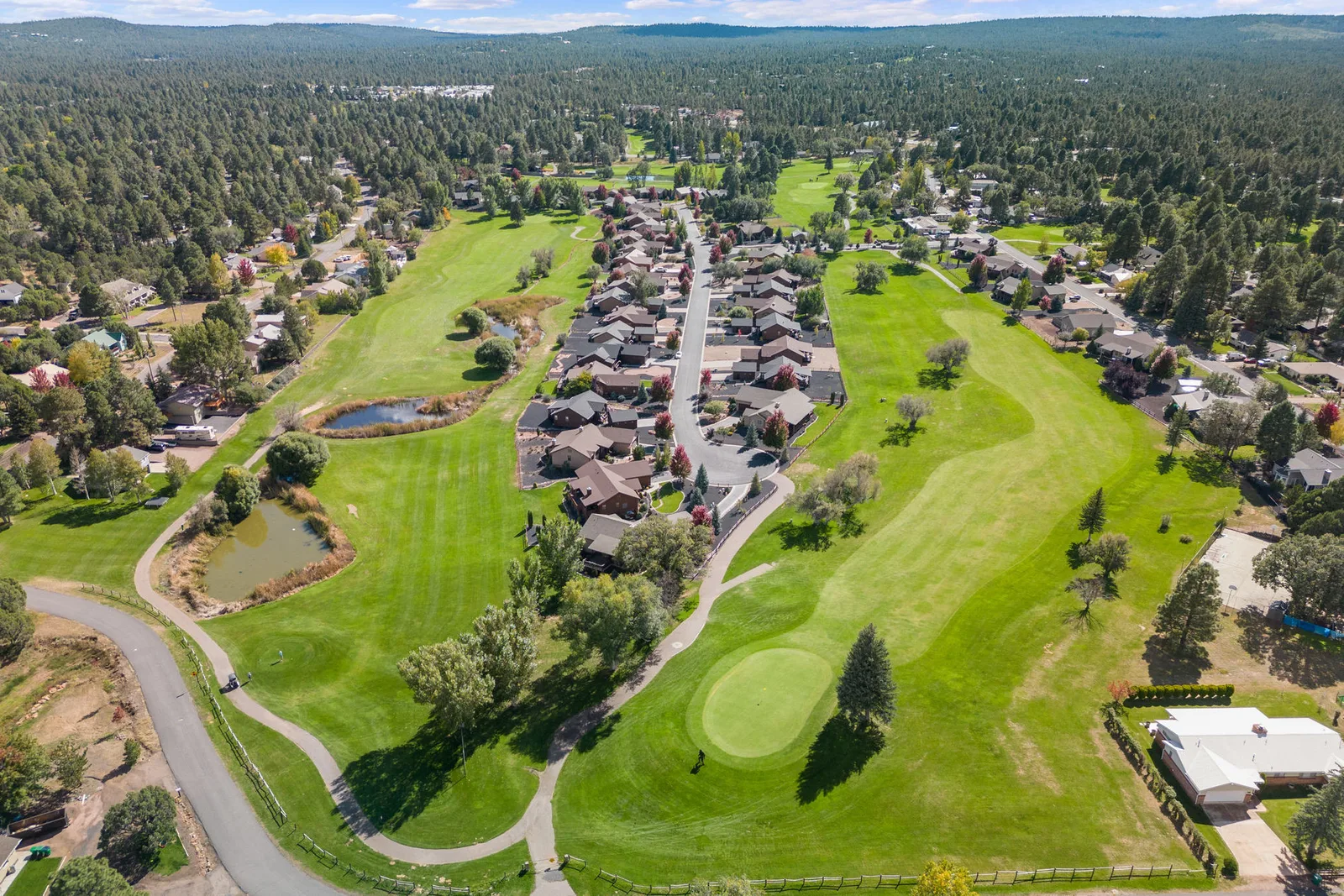
When disaster strikes your Show Low property, how quickly can you restore your home or business to its pre-damage condition? Property damage from water, fire, smoke, mold, or sewage can devastate both residential and commercial spaces in Arizona's White Mountains region.
Our comprehensive damage restoration services address the full spectrum of property emergencies that affect Show Low residents and businesses:
- Water Damage Restoration - Extracting standing water and drying affected areas
- Flooded Basement - Specialized below-grade water removal and moisture control
- Sewage Cleanup - Safe removal and sanitization of contaminated materials
- Fire Damage Restoration - Structural repair and debris removal after fires
- Smoke Damage Restoration - Odor elimination and surface cleaning
- Mold Removal - Professional remediation and prevention strategies
These services protect your investment while ensuring the health and safety of occupants. Professional restoration prevents secondary damage, reduces long-term costs, and helps properties meet insurance requirements for claims processing.
Common Damage Restoration Issues in Show Low, Arizona
Show Low's unique mountain environment at 6,345 feet elevation creates specific challenges for property owners. The area's climate patterns and seasonal weather variations contribute to various types of damage throughout the year.
Water-related problems frequently occur due to:
- Monsoon flooding overwhelming drainage systems
- Frozen pipes during harsh winter temperatures
- Snow melt causing basement flooding in spring
- Roof leaks from heavy snow loads
- Appliance failures in older mountain homes
Fire and smoke damage risks include:
- Wildfire threats during dry summer months
- Chimney fires from increased wood burning
- Electrical fires in aging mountain properties
- Kitchen fires during holiday cooking periods
Warning signs requiring immediate attention:
- Musty odors indicating hidden moisture or mold growth
- Water stains on ceilings or walls
- Warped flooring or bubbling paint
- Persistent smoke smells after fires
- Dark spots or discoloration on surfaces
- Sewage backups during heavy rainfall
Early detection and professional intervention prevent minor issues from becoming major restoration projects.
Neighborhoods We Serve in Show Low
Our damage restoration services cover all areas of Show Low and surrounding White Mountain communities. We respond quickly to both residential and commercial properties throughout the region.
Primary service areas include:
- Downtown Show Low historic district
- Deuce of Clubs residential areas
- Country Club neighborhoods
- Torreon Golf Club vicinity
- White Mountain Lake communities
- Lakeside and Pinetop-Lakeside
- McNary and Hon-Dah areas
- Snowflake and Taylor regions
Our local presence means faster response times and better understanding of area-specific challenges like seasonal accessibility and unique construction types common to mountain properties.
Seasonal Damage Patterns in Show Low
Show Low experiences distinct seasonal patterns that affect when different types of property damage occur most frequently.
Winter (December - February):
- Frozen pipe bursts requiring water damage restoration
- Ice dam formation causing roof leaks
- Increased fire damage from heating system malfunctions
- Carbon monoxide issues leading to smoke damage
Spring (March - May):
- Basement flooding from rapid snow melt
- Mold growth in areas with winter moisture accumulation
- Sewage backup from overwhelmed municipal systems
Summer (June - August):
- Wildfire smoke damage during fire season
- Monsoon flooding requiring emergency water extraction
- Lightning-related electrical fires
Fall (September - November):
- Preparation period for winter damage prevention
- Chimney cleaning and inspection before heavy use
- Final mold remediation before heating season
Housing Characteristics & Restoration Considerations
Show Low's housing stock reflects its development as a mountain resort community, with unique characteristics that affect restoration approaches and requirements.
Typical construction features include:
- Log cabin and timber frame construction from the 1960s-1980s
- Manufactured homes in various mountain subdivisions
- Modern stick-built homes with mountain architectural styles
- Commercial buildings adapted from older structures
Age-related restoration challenges:
- Older homes often lack proper vapor barriers, increasing mold risk
- Log construction requires specialized fire damage restoration techniques
- Crawl spaces and basements prone to moisture accumulation
- Aging electrical systems more susceptible to fire damage
- Original plumbing systems vulnerable to freeze damage
Construction-specific considerations:
- Wood construction materials absorb smoke odors deeply
- Natural materials require gentle cleaning methods
- Chinking and log gaps allow water penetration
- Elevated foundations create unique basement flooding scenarios
- Metal roofing systems affect water damage patterns
Understanding these local construction patterns allows for more effective restoration planning and execution.
Environmental Conditions & Damage Implications
Show Low's high-altitude mountain environment creates specific conditions that influence how property damage develops and spreads throughout structures.
Climate factors affecting restoration:
- Low humidity levels (average 30-40%) slow water evaporation
- Temperature fluctuations cause expansion and contraction damage
- UV exposure at elevation accelerates material degradation
- Wind patterns spread smoke and fire damage
- Seasonal precipitation varies dramatically
Soil and drainage characteristics:
- Clay-rich soils retain moisture near foundations
- Rocky substrates create drainage challenges
- Sloped terrain affects water flow patterns
- Seasonal frost heave impacts foundation stability
Air quality considerations:
- Wildfire smoke infiltration during fire season
- Particulate matter from wood burning
- Pollen and organic matter contributing to mold growth
- Dust from unpaved roads affecting indoor air quality
Water quality impacts:
- Hard water deposits complicate cleaning processes
- Well water contamination during flood events
- Mineral content affects restoration chemical effectiveness
These environmental factors require specialized approaches for effective water damage restoration, mold removal, and smoke damage cleanup in the White Mountain region.
White Mountain Wildfire Recovery and Restoration
Show Low's location in Arizona's fire-prone White Mountain region makes wildfire recovery a specialized aspect of damage restoration services. The area's history of significant fires, including the Rodeo-Chediski Fire and more recent blazes, has created unique expertise requirements for local restoration professionals.
Wildfire-specific restoration challenges include:
- Smoke penetration into HVAC systems requiring complete ductwork cleaning
- Ash and soot infiltration through microscopic openings
- Heat damage to exterior materials like vinyl siding and roofing
- Contaminated water supplies from fire suppression efforts
- Secondary water damage from firefighting activities
- Structural assessment after extreme heat exposure
Comprehensive fire recovery process:
- Emergency board-up and security services
- Smoke damage assessment and air quality testing
- Water extraction from firefighting efforts
- Structural cleaning and deodorization
- Content cleaning and restoration
- Reconstruction of damaged areas
Smoke damage restoration techniques:
- Thermal fogging to neutralize persistent odors
- Ozone treatment for severe smoke contamination
- HEPA filtration during cleaning processes
- Specialized cleaning compounds for different smoke types
- Sealing and priming affected surfaces
The combination of fire damage restoration, smoke damage cleanup, and water damage restoration creates complex projects requiring coordinated expertise. Local restoration professionals understand how mountain weather patterns, elevation, and seasonal conditions affect recovery timelines and methods, ensuring properties return to safe, habitable conditions efficiently.





