
Damage Restoration in Mount Arlington, NJ
- Damage Restoration Services Overview
- Common Damage Restoration Issues in Mount Arlington, New Jersey
- Neighborhoods We Serve in Mount Arlington
- Seasonal Damage Patterns in Mount Arlington
- Housing Characteristics & Restoration Considerations
- Environmental Conditions & Damage Implications
- Lake Hopatcong Proximity & Water Damage Restoration Challenges
Damage Restoration Services Overview
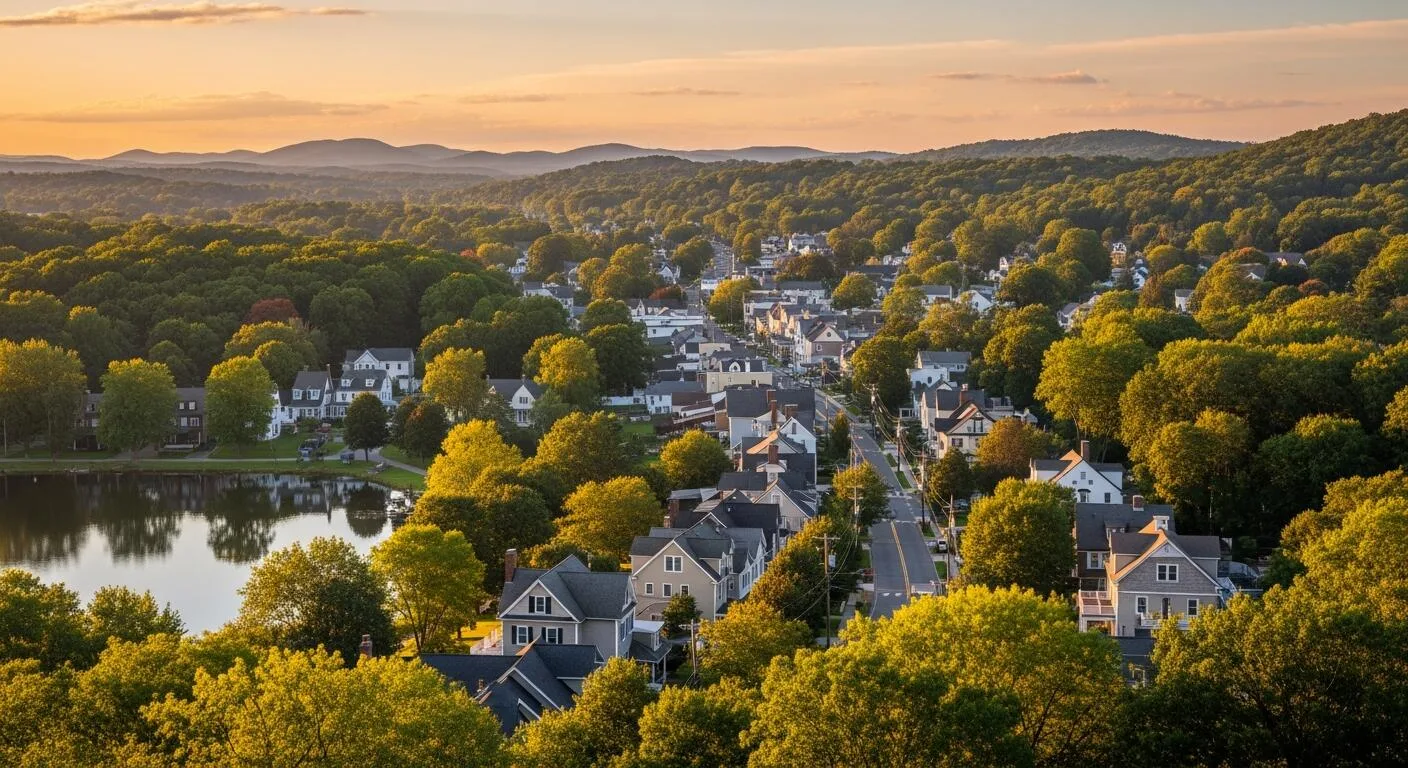
Have you ever wondered how quickly property damage can transform your safe haven into a source of stress and financial burden? In Mount Arlington, New Jersey, property owners face various restoration challenges that demand immediate professional attention.
Professional damage restoration services address multiple emergency situations:
- Water Damage Restoration - Addressing burst pipes, appliance failures, and storm-related flooding
- Flooded Basement - Managing groundwater intrusion and foundation water issues
- Sewage Cleanup - Handling hazardous waste backup situations safely
- Fire Damage Restoration - Rebuilding after structural fire incidents
- Smoke Damage Restoration - Eliminating odors and residue from fire events
- Mold Removal - Addressing fungal growth from moisture problems
Mount Arlington residents benefit from these services through rapid response times, specialized equipment, and IICRC-certified technicians. Local restoration companies like SERVPRO, WaterTame, PDQ, and Northeast Power Dry provide 24/7 emergency response to minimize property damage and reduce restoration costs.
Common Damage Restoration Issues in Mount Arlington, New Jersey
Mount Arlington's location in Morris County creates specific restoration challenges that property owners should recognize. The area's proximity to Lake Hopatcong and seasonal weather patterns contribute to various damage scenarios.
Frequent restoration issues include:
- Basement flooding from heavy rainfall and snowmelt runoff
- Frozen pipe bursts during harsh winter temperatures
- Sump pump failures during spring thaw periods
- Sewage backups from overwhelmed municipal systems
- Appliance water leaks in older homes with aging plumbing
- Chimney fires from creosote buildup during heating season
- Electrical fires in homes with outdated wiring systems
Warning signs that require immediate attention:
- Musty odors indicating hidden moisture or mold growth
- Water stains on ceilings or walls suggesting roof or plumbing leaks
- Discolored drywall or peeling paint from water infiltration
- Smoke residue or persistent burning smells after fire incidents
- Standing water in basements or crawl spaces
- Sewage odors from drain backups or septic system failures
Local restoration professionals respond quickly to these situations, preventing minor issues from becoming major property damage events that require extensive reconstruction.
Neighborhoods We Serve in Mount Arlington
Our damage restoration services cover all Mount Arlington neighborhoods and surrounding communities throughout Morris County.
Primary service areas include:
- Downtown Mount Arlington - Historic homes near Main Street and Howard Boulevard
- Lakefront properties along Lake Hopatcong shoreline
- Residential developments off Route 80 and surrounding streets
- Mount Arlington Heights - Elevated residential areas
- Commercial district - Businesses along major thoroughfares
Extended service coverage reaches:
- Roxbury Township
- Jefferson Township
- Wharton Borough
- Mine Hill Township
- Randolph Township
- Hopatcong Borough
Each neighborhood presents unique restoration challenges based on housing age, proximity to water sources, and local infrastructure conditions.
Seasonal Damage Patterns in Mount Arlington
Mount Arlington experiences distinct seasonal damage patterns that property owners should anticipate throughout the year.
Winter (December - February):
- Frozen pipe bursts from extreme cold temperatures
- Ice dam formation causing roof leaks and water damage
- Chimney fires from increased heating system usage
- Carbon monoxide incidents requiring smoke damage cleanup
Spring (March - May):
- Basement flooding from snowmelt and spring rainfall
- Sump pump failures during peak water infiltration periods
- Mold growth from winter moisture accumulation
- Sewage backups from overwhelmed drainage systems
Summer (June - August):
- Storm-related water damage from severe thunderstorms
- Air conditioning condensation problems leading to water damage
- Electrical fires from overloaded cooling systems
Fall (September - November):
- Preparation for heating season reducing fire risks
- Gutter cleaning preventing ice dam formation
- Hurricane remnant flooding affecting basements
Housing Characteristics & Restoration Considerations
Mount Arlington's housing stock reflects diverse construction periods and architectural styles that influence restoration approaches and techniques.
Typical housing characteristics include:
- Construction era: Mix of early 20th century homes and modern developments
- Foundation types: Stone foundations in older homes, concrete in newer construction
- Basement configurations: Full basements common due to sloped terrain
- Plumbing systems: Combination of original cast iron and updated PVC systems
- Electrical systems: Varied from knob-and-tube to modern circuit breaker panels
Restoration considerations by housing type:
- Historic homes (pre-1950):
- Lead paint concerns during fire damage restoration
- Asbestos materials requiring specialized removal
- Stone foundation water infiltration issues
- Outdated electrical systems increasing fire risks
- Mid-century homes (1950-1980):
- Cast iron pipe deterioration causing sewage problems
- Basement moisture issues from poor waterproofing
- Original insulation replacement after water damage
- Modern construction (1980+):
- Improved moisture barriers reducing mold risks
- Updated electrical systems with better fire safety
- Synthetic materials requiring specialized smoke damage cleanup
Environmental Conditions & Damage Implications
Mount Arlington's environmental conditions significantly influence property damage risks and restoration requirements throughout Morris County.
Climate factors affecting restoration needs:
- Humidity levels: High summer humidity promotes mold growth after water damage events
- Temperature fluctuations: Freeze-thaw cycles stress plumbing systems and building materials
- Precipitation patterns: Annual rainfall averaging 45+ inches increases flooding risks
- Snow accumulation: Heavy snow loads stress roofs and create ice dam conditions
Geographic influences on property damage:
- Lake Hopatcong proximity: Elevated humidity and potential flooding from lake level changes
- Elevation changes: Sloped terrain directing water flow toward lower properties
- Soil composition: Clay-rich soils affecting drainage and foundation stability
- Wooded areas: Increased fire risks during dry periods and debris accumulation
Air quality considerations:
- Seasonal pollen affecting indoor air quality after smoke damage
- Humidity control requirements during mold removal processes
- Ventilation challenges in older homes during restoration
- Radon considerations in basement water damage restoration
These environmental factors require restoration professionals to adapt techniques and equipment for Mount Arlington's specific conditions, ensuring effective moisture control, proper ventilation, and appropriate material selection during restoration projects.
Lake Hopatcong Proximity & Water Damage Restoration Challenges
Mount Arlington's position along Lake Hopatcong creates unique water damage restoration challenges that require specialized knowledge and equipment. The lake's influence on local humidity, groundwater levels, and seasonal flooding patterns directly impacts property restoration strategies.
Lake-related damage patterns:
- Seasonal water level fluctuations affecting lakefront property foundations
- Elevated groundwater during spring runoff periods causing basement seepage
- Increased humidity from lake evaporation promoting mold growth conditions
- Storm surge effects during severe weather events
- Freeze-thaw cycles along shoreline properties creating structural stress
Specialized restoration approaches for lakefront properties:
- Enhanced moisture monitoring: Continuous humidity assessment in basements and crawl spaces
- Advanced dehumidification: Industrial-grade equipment to combat lake-influenced humidity
- Foundation waterproofing: Specialized sealants and drainage systems for high water table conditions
- Mold prevention protocols: Accelerated drying techniques preventing fungal growth
- Sewage system considerations: Backup prevention during peak lake level periods
Fire and smoke damage considerations near the lake:
- Wind patterns affecting smoke distribution and cleanup requirements
- Humidity interference with traditional smoke odor removal techniques
- Corrosion acceleration from lake moisture combined with fire residues
- Specialized ventilation needs for lakefront properties
Professional restoration companies serving Mount Arlington understand these lake-specific challenges and adjust their water extraction, drying, and dehumidification processes accordingly. This local expertise proves invaluable when addressing the complex interplay between Lake Hopatcong's environmental influence and effective property restoration outcomes.





