
Damage Restoration in Belmar, NJ
- Damage Restoration Services Overview
- Common Damage Restoration Issues in Belmar, New Jersey
- Neighborhoods We Serve in Belmar
- Seasonal Damage Patterns in Belmar
- Housing Characteristics & Restoration Considerations
- Environmental Conditions & Damage Implications
- Hurricane and Storm Surge Restoration in Belmar
Damage Restoration Services Overview
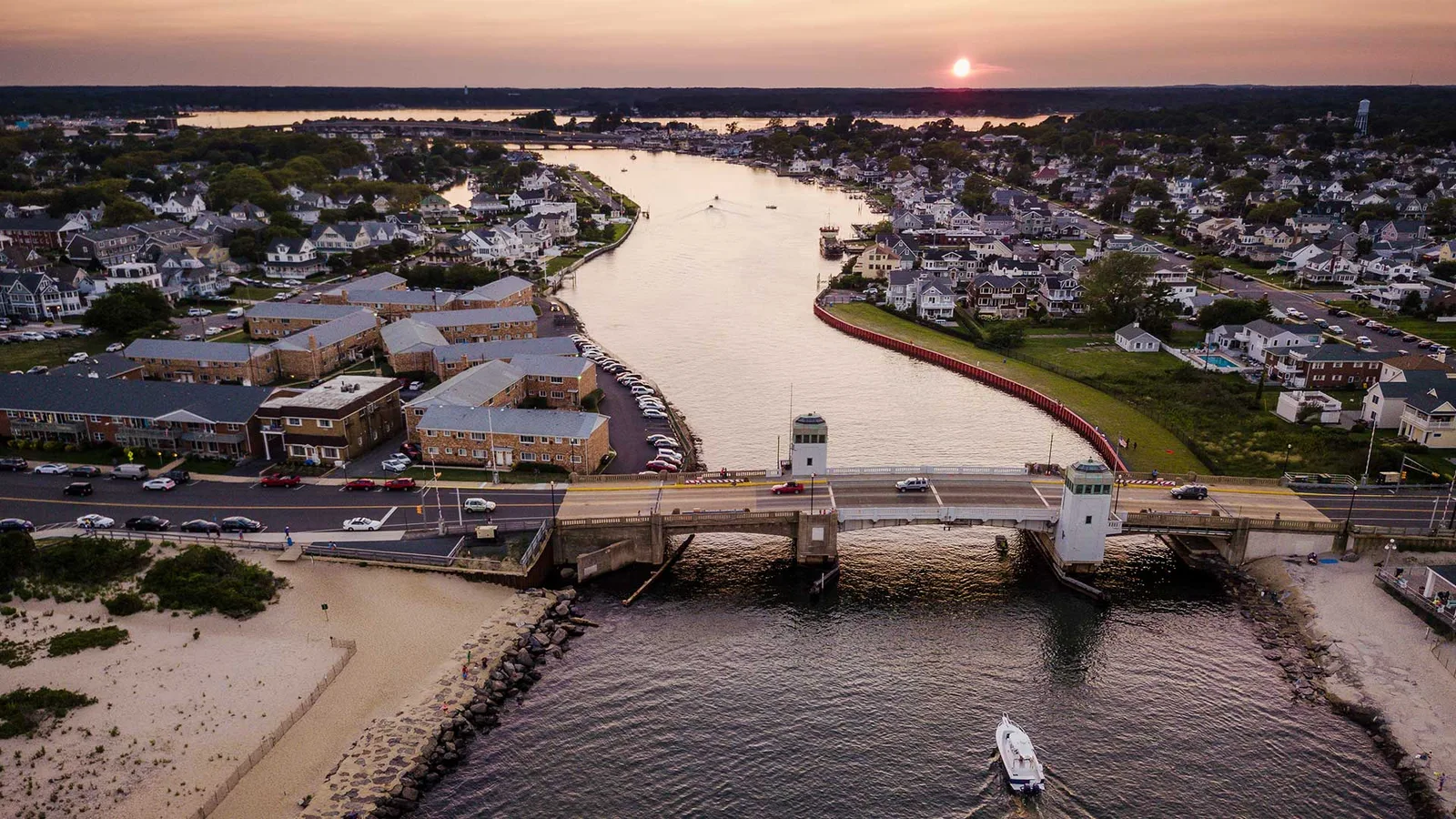
Belmar's coastal location along the New Jersey shore creates unique restoration challenges for property owners. The combination of ocean proximity, seasonal storms, and varying humidity levels makes homes and businesses particularly vulnerable to multiple types of damage throughout the year.
Professional restoration services in Belmar address six critical damage types:
- Water Damage Restoration - Addressing burst pipes, roof leaks, and storm-related water intrusion
- Flooded Basement - Managing groundwater infiltration and storm surge impacts
- Sewage Cleanup - Handling contaminated water from backup systems and overflow events
- Fire Damage Restoration - Restoring properties after fire incidents and heat damage
- Smoke Damage Restoration - Eliminating odors and residue from fire and smoke exposure
- Mold Removal - Preventing and treating fungal growth in humid coastal conditions
These services protect Belmar residents from both immediate property damage and long-term health risks. Quick response times become especially important given the area's high humidity levels, which can accelerate secondary damage like mold growth. Professional restoration teams use specialized equipment designed for coastal environments, including industrial dehumidifiers and moisture detection tools that work effectively in salt air conditions.
Common Damage Restoration Issues in Belmar, New Jersey
Belmar's coastal environment creates specific damage patterns that restoration professionals encounter regularly. The town's proximity to the Atlantic Ocean and the Shark River inlet generates unique challenges for property maintenance and damage prevention.
Frequent restoration issues include:
- Storm surge flooding affecting basements and ground-level areas during nor'easters and hurricanes
- Salt air corrosion leading to accelerated deterioration of building materials and systems
- High humidity levels promoting mold growth in poorly ventilated spaces
- Seasonal tourist activity increasing fire risks in rental properties and commercial establishments
- Aging infrastructure causing sewage backups during heavy rainfall events
- Beach house construction creating vulnerability to wind-driven rain and moisture penetration
Warning signs property owners should monitor include:
- Musty odors indicating potential mold development
- Water stains on walls or ceilings suggesting ongoing leaks
- Basement dampness during or after storms
- Unusual increases in utility bills pointing to hidden water damage
- Peeling paint or wallpaper from moisture exposure
The combination of seasonal weather patterns and coastal conditions means damage can develop rapidly. Properties near the waterfront face additional risks from storm surge and wind-driven rain, while inland areas deal more frequently with groundwater infiltration and humidity-related issues.
Neighborhoods We Serve in Belmar
Our restoration services cover all residential and commercial areas throughout Belmar and surrounding communities. The oceanfront district requires specialized attention due to direct exposure to salt air and storm surge conditions.
Service areas include:
- Oceanfront properties along Ocean Avenue and beachside streets
- Downtown Belmar commercial and mixed-use districts
- Residential neighborhoods west of Route 35
- Shark River area properties near the inlet and marina
- Border communities including parts of Neptune City, Lake Como, and Spring Lake Heights
Each neighborhood presents distinct restoration challenges. Oceanfront properties face the most severe environmental exposure, requiring specialized techniques for salt damage mitigation and moisture control. Inland residential areas typically deal with basement flooding and humidity issues, while commercial districts need rapid response to minimize business interruption during restoration projects.
Seasonal Damage Patterns in Belmar
Belmar experiences distinct seasonal patterns that influence damage restoration needs throughout the year. Understanding these cycles helps property owners prepare for and respond to potential issues.
Winter months (December - February) bring the highest risk for water damage from frozen pipes, ice dams, and nor'easter storms. Basement flooding increases during rapid snow melts, while heating system failures can lead to fire hazards.
Spring season (March - May) sees elevated mold growth as humidity rises and winter moisture issues become apparent. This period also marks increased sewage backup incidents as aging systems struggle with spring runoff.
Summer period (June - August) presents fire damage risks from increased electrical usage and tourist activity. High humidity levels accelerate mold development in poorly ventilated spaces, while storm surge from summer storms affects coastal properties.
Fall months (September - November) represent hurricane season's peak impact, with water damage, flooding, and wind-related issues dominating restoration calls. Smoke damage from heating system startups and chimney use also increases during this transition period.
Property owners benefit from seasonal maintenance schedules that address these predictable patterns, reducing the likelihood of major damage events requiring extensive restoration services.
Housing Characteristics & Restoration Considerations
Belmar's housing stock reflects its evolution from a Victorian-era resort community to a modern coastal town. This diverse architectural landscape creates varied restoration challenges based on construction methods and materials used across different time periods.
Housing characteristics affecting restoration needs:
- Victorian-era homes (1880s-1920s) featuring original plaster walls, hardwood floors, and balloon frame construction
- Mid-century beach houses (1940s-1970s) with pier and beam foundations, cedar shingle siding
- Modern construction (1980s-present) incorporating flood-resistant materials and elevated foundations
- Rental properties with high turnover rates requiring frequent maintenance and restoration
Older homes present unique restoration challenges:
- Plaster walls require specialized drying techniques to prevent cracking
- Original hardwood floors need careful moisture extraction to prevent warping
- Balloon frame construction allows rapid fire and smoke spread between floors
- Limited insulation increases condensation and mold risks
- Aging electrical systems create fire hazards during restoration work
Modern construction typically incorporates flood-resistant materials and improved drainage systems, making restoration more straightforward. However, synthetic materials in newer homes can produce toxic smoke during fires, requiring specialized cleanup procedures. Elevated foundations common in post-storm construction reduce flooding risks but create accessibility challenges during restoration projects.
Environmental Conditions & Damage Implications
Belmar's coastal environment creates specific conditions that influence damage patterns and restoration requirements. The Atlantic Ocean's proximity generates constant salt air exposure, while the town's low elevation increases vulnerability to flooding and moisture intrusion.
Key environmental factors include:
- High humidity levels averaging 70-80% year-round, promoting mold growth
- Salt air exposure accelerating corrosion of metals and degradation of building materials
- Sandy soil composition providing poor drainage and increasing basement flooding risks
- Tidal influences affecting groundwater levels and sewage system capacity
- Prevailing ocean winds driving moisture into building envelopes
These conditions create restoration challenges:
- Mold develops rapidly in humid conditions, requiring aggressive moisture control
- Salt damage penetrates deep into porous materials like brick and concrete
- Poor soil drainage extends water damage duration and severity
- Tidal variations can cause sewage backups during high tide periods
- Wind-driven rain penetrates building defects more aggressively than in inland areas
Professional restoration in Belmar requires specialized equipment and techniques designed for coastal environments. Industrial dehumidifiers must work harder to achieve target moisture levels, while cleaning solutions need formulation to address salt contamination. Air quality monitoring becomes especially important due to the combination of high humidity and potential mold development.
Hurricane and Storm Surge Restoration in Belmar
Belmar's position along the New Jersey shore makes it particularly vulnerable to hurricane and storm surge damage. The town's experience with major storms like Hurricane Sandy has shaped both building practices and restoration approaches, creating specialized expertise in coastal storm recovery.
Storm surge impacts create complex restoration scenarios:
- Salt water contamination requiring complete material replacement rather than cleaning
- Sand infiltration penetrating building systems and requiring extensive excavation
- Structural undermining from wave action and flooding
- Electrical system damage from salt water exposure creating fire hazards
- HVAC contamination requiring complete system replacement after salt water contact
Hurricane restoration follows specific protocols developed for coastal communities:
- Immediate safety assessment focusing on structural integrity and electrical hazards
- Salt water extraction using specialized pumps and filtration systems
- Complete removal of contaminated insulation, drywall, and flooring materials
- Structural drying with commercial-grade dehumidifiers and air movers
- Mold prevention treatment before reconstruction begins
- Documentation for insurance claims including detailed moisture readings
Post-storm mold prevention becomes critical in Belmar's humid environment. Professional restoration teams use antimicrobial treatments and moisture barriers specifically designed for coastal applications. The combination of salt damage and high humidity creates ideal conditions for rapid mold development, making immediate professional intervention necessary for successful property recovery.
Local building codes now require flood-resistant materials and elevated utilities in storm-prone areas, influencing restoration approaches and material selection during recovery projects.





