
Damage Restoration in Stayton, OR
- Damage Restoration Services Overview
- Common Damage Restoration Issues in Stayton, Oregon
- Neighborhoods We Serve in Stayton
- Seasonal Damage Patterns in Stayton
- Housing Characteristics & Restoration Considerations
- Environmental Conditions & Damage Implications
- North Santiam River Proximity and Flood Restoration Expertise
Damage Restoration Services Overview
When disaster strikes your Stayton home, quick action can mean the difference between minor repairs and major reconstruction. Property damage from water, fire, smoke, or mold spreads rapidly, making immediate professional intervention critical for limiting destruction and protecting your family's health.
Our comprehensive restoration services address every type of damage common to Stayton properties:
- Water damage restoration from burst pipes, appliance leaks, and storm flooding
- Flooded basement cleanup and structural drying
- Sewage cleanup with proper sanitization protocols
- Fire damage restoration including structural repairs
- Smoke damage restoration and odor elimination
- Mold removal with containment and prevention strategies
Stayton residents benefit from our 24/7 emergency response capabilities and deep understanding of local building characteristics. We handle everything from initial damage assessment through final reconstruction, working directly with insurance companies to streamline the claims process.
Our certified technicians use advanced moisture detection equipment, industrial-grade dehumidifiers, and EPA-approved antimicrobial treatments. This comprehensive approach prevents secondary damage while restoring your property to pre-loss condition safely and efficiently.
Common Damage Restoration Issues in Stayton, Oregon
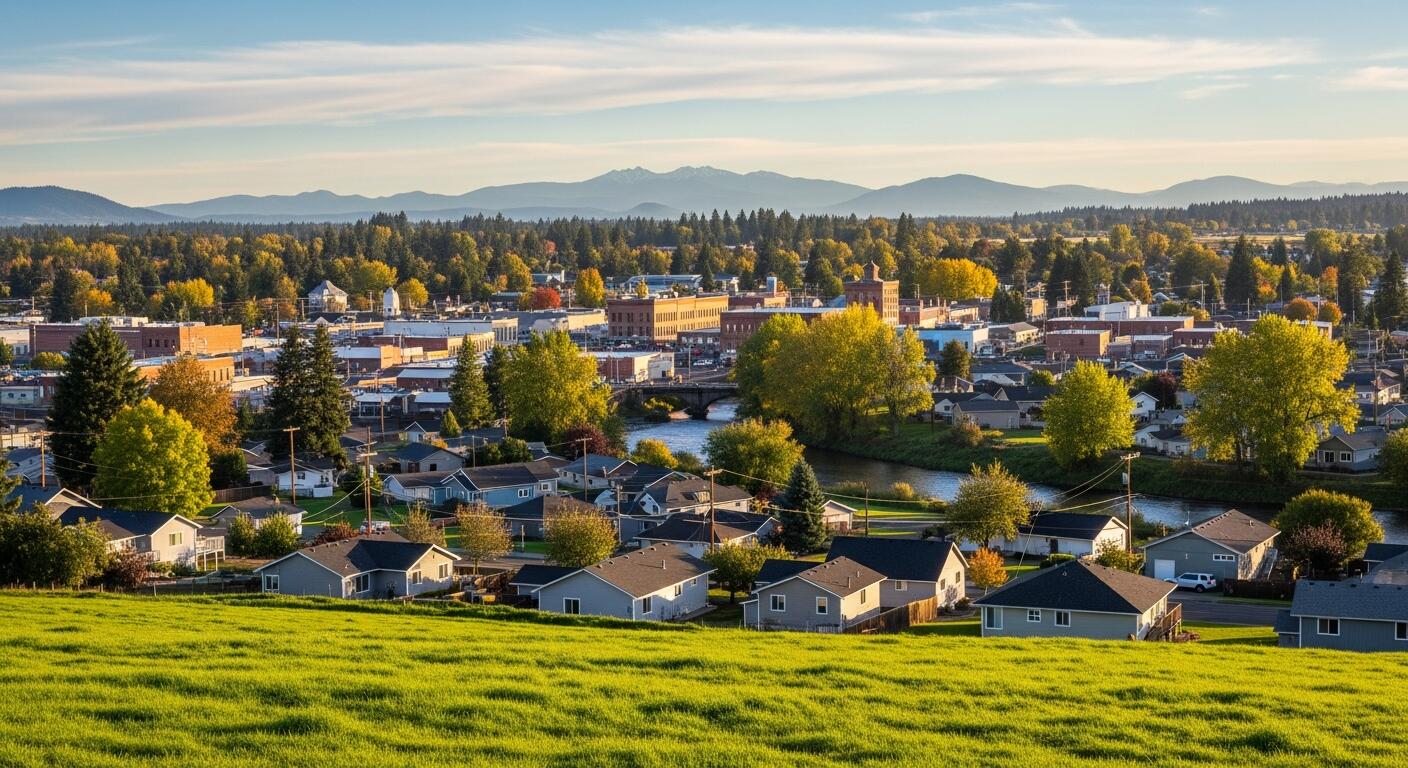
Stayton's location in the North Santiam River valley creates specific challenges for property owners. The area's proximity to waterways and seasonal weather patterns contribute to recurring damage issues throughout the year.
Water-related problems dominate restoration calls in Stayton:
- Basement flooding during heavy rainfall periods
- Burst pipes in older homes during winter freezes
- Appliance failures in laundry rooms and kitchens
- Roof leaks from aging cedar shake and composition shingles
- Sump pump failures during storm events
Fire and smoke damage incidents often stem from:
- Chimney fires in homes with wood-burning stoves
- Kitchen fires from cooking accidents
- Electrical fires in older wiring systems
- Wildfire smoke infiltration during summer months
Mold growth accelerates in Stayton's humid climate, particularly in:
- Crawl spaces with inadequate ventilation
- Bathrooms without proper exhaust systems
- Basements with moisture intrusion
- Areas around windows with condensation issues
Sewage backups frequently occur during heavy rain events when the municipal system becomes overwhelmed. Older neighborhoods with combined storm and sewer systems face higher risks of contaminated water entering homes through floor drains and basement fixtures.
Neighborhoods We Serve in Stayton
Our restoration teams provide comprehensive services throughout Stayton's diverse residential areas. We serve established neighborhoods like Fernwood Estates and Cedar Crest, where mature trees and aging infrastructure create unique restoration challenges.
Coverage areas include:
- Downtown Stayton historic district
- Residential developments along Shaff Road
- Homes near Stayton Elementary and Middle Schools
- Properties along the North Santiam River corridor
- Rural residences on Fern Ridge Road and surrounding areas
- Manufactured home communities throughout the city
We also extend services to nearby communities including Sublimity, Aumsville, and rural properties between Stayton and Salem. Our local knowledge of building codes, soil conditions, and weather patterns helps us provide targeted restoration solutions for each neighborhood's specific needs.
Seasonal Damage Patterns in Stayton
Stayton's damage patterns follow predictable seasonal cycles that property owners should understand for prevention and preparation purposes.
Winter months (December - February) bring the highest risk for water damage from frozen pipes and roof ice dams. Furnace malfunctions and chimney fires also peak during this period.
Spring (March - May) sees increased basement flooding as snowmelt and heavy rains overwhelm drainage systems. Mold growth accelerates in damp conditions, requiring prompt attention to prevent widespread contamination.
Summer (June - August) presents wildfire smoke infiltration risks and air conditioning failures that can lead to moisture problems. Appliance overuse during hot weather increases failure rates.
Fall (September - November) brings storm-related damage from high winds and falling trees. Clogged gutters from autumn leaves create water intrusion points. This season also marks the beginning of heating system startups, which can trigger dormant electrical or mechanical issues.
Our emergency response teams adjust staffing and equipment positioning based on these seasonal patterns, allowing faster response times during high-risk periods.
Housing Characteristics & Restoration Considerations
Stayton's housing stock reflects its development history, with homes built primarily between 1950 and 2000. This age range presents specific restoration challenges that require specialized approaches for different construction types.
Older homes (pre-1980) commonly feature:
- Galvanized steel plumbing prone to corrosion and leaks
- Knob-and-tube electrical systems with fire risks
- Minimal insulation leading to condensation problems
- Cedar shake roofing requiring specialized fire restoration
- Crawl space foundations vulnerable to moisture intrusion
Newer construction (1980-present) typically includes:
- Copper or PEX plumbing with different restoration requirements
- Modern electrical systems with GFCI protection
- Improved insulation that can trap moisture if damaged
- Composition shingle roofing with standardized repair methods
- Concrete slab foundations requiring different drying techniques
Many Stayton homes feature combination construction with additions built in different eras. This creates complex restoration scenarios where multiple techniques must be applied within the same property. Our technicians assess each structure individually, developing restoration plans that account for varying materials, building codes, and construction methods throughout the home.
Environmental Conditions & Damage Implications
Stayton's environmental conditions significantly influence both damage patterns and restoration approaches. The area's marine climate brings moderate temperatures with high humidity levels that affect drying times and mold growth potential.
Climate factors impacting restoration include:
- Annual rainfall averaging 45 inches, concentrated in winter months
- Humidity levels regularly exceeding 80% during rainy seasons
- Temperature ranges from 32°F to 85°F creating freeze-thaw cycles
- Prevalent morning fog increasing moisture exposure
Soil conditions around Stayton feature clay-heavy compositions that retain water and create drainage challenges. This affects basement waterproofing and foundation moisture control during restoration projects.
Air quality considerations include:
- Seasonal pollen from surrounding forests affecting filtration systems
- Wildfire smoke infiltration during summer months
- Agricultural dust from nearby farming operations
- Industrial emissions from Salem area facilities
Water quality from municipal sources generally meets standards, but older distribution systems can introduce contaminants during flooding events. Well water properties require different treatment approaches during sewage cleanup and contamination incidents.
These environmental factors require specialized equipment selection and extended drying periods compared to drier climates. Our restoration protocols account for local conditions, using commercial dehumidifiers and air movers sized appropriately for Stayton's challenging moisture environment.
North Santiam River Proximity and Flood Restoration Expertise
Stayton's location along the North Santiam River corridor creates unique flood risks that require specialized restoration expertise. Properties near the river face periodic flooding from seasonal runoff, dam releases, and storm events that can overwhelm municipal drainage systems.
Our comprehensive flood restoration process addresses the complete scope of water damage:
- Emergency water extraction using truck-mounted pumps and portable units
- Structural assessment to identify compromised building materials
- Contamination testing for river water and sewage infiltration
- Selective demolition of irreparable materials like drywall and insulation
- Antimicrobial treatment of all affected surfaces
- Industrial drying with monitoring until moisture levels normalize
- Mold prevention treatment in vulnerable areas
- Complete reconstruction using flood-resistant materials where appropriate
River flooding often introduces additional contaminants beyond typical water damage scenarios. Agricultural runoff, septic system overflow, and debris create complex cleanup requirements that standard water damage protocols cannot address adequately.
We coordinate closely with local authorities during flood events, understanding evacuation procedures and safety protocols specific to Stayton's emergency response plans. Our teams maintain specialized equipment for working in contaminated water environments, including personal protective equipment and water testing capabilities.
Post-flood reconstruction incorporates lessons learned from previous events, recommending elevation improvements, sump pump installations, and moisture barrier upgrades that reduce future flood damage potential. This proactive approach helps Stayton property owners build resilience against recurring river flooding while maintaining insurance compliance and property values.





