
Damage Restoration in Dover, DE
- Damage Restoration Services Overview
- Common Damage Restoration Issues in Dover, Delaware
- Neighborhoods We Serve in Dover
- Seasonal Damage Patterns in Dover
- Housing Characteristics & Restoration Considerations
- Environmental Conditions & Damage Implications
- Sewage Backups and Basement Flooding: What Dover Property Owners Should Know
Damage Restoration Services Overview
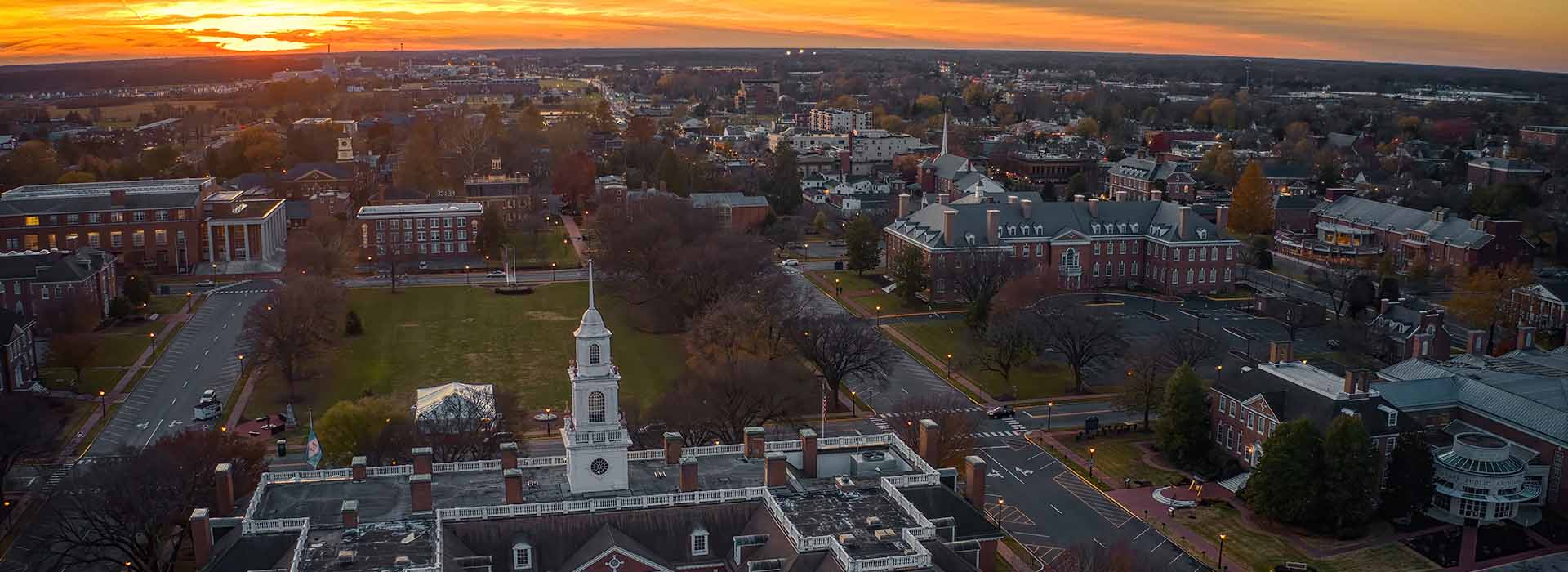
When water pours into a finished basement or smoke settles into the walls of a Dover home, the first hours matter most. Professional restoration turns a chaotic situation into a controlled, documented process with a clear path back to normal.
Dover properties face a mix of coastal storm systems, flat terrain drainage issues, and aging municipal infrastructure. That combination calls for restoration teams who know both the science of drying and the quirks of Kent County construction.
- Water Damage Restoration - extraction, structural drying, moisture mapping, and monitoring until materials return to dry standard.
- Flooded Basement Recovery - pump-out, sump and drain evaluation, content triage, and treatment of block and poured concrete walls.
- Sewage Cleanup - containment, removal of contaminated porous materials, antimicrobial treatment, and safe disposal of waste.
- Fire Damage Restoration - board-up, debris removal, soot cleaning, structural cleaning, and reconstruction coordination.
- Smoke Damage Restoration - odor neutralization, HVAC cleaning, and treatment of soot residue on hard and soft surfaces.
- Mold Removal - containment barriers, HEPA filtration, removal of colonized materials, and correction of the moisture source.
The benefit for Dover homeowners is simple: less demolition, fewer replaced materials, and thorough documentation for insurance claims.
Common Damage Restoration Issues in Dover, Delaware
Dover sits on flat coastal plain terrain with a high water table and slow-draining soils. Rain has nowhere to go quickly, which is why so many local calls involve standing water rather than dramatic structural failures.
What Drives Damage Locally
- Nor'easters and tropical remnants pushing heavy rainfall over saturated ground
- Stormwater runoff overwhelming street drains in older sections of the city
- St. Jones River and tributary backups during sustained rain events
- Sump pump failure during power outages tied to wind-driven storms
- Sewer line surcharging that pushes wastewater back through basement floor drains
- Frozen or burst supply lines in unheated crawl spaces during January cold snaps
- Kitchen and chimney fires, plus space heater use in winter months
Warning Signs Worth Acting On
- Musty odor in a basement, crawl space, or closet that never fully clears
- Efflorescence, chalky white residue, or dark staining along foundation walls
- Buckling laminate, cupped hardwood, or soft spots underfoot near exterior walls
- Gurgling floor drains or slow toilets that signal a partial sewer blockage
- Persistent smoke odor that returns on humid days after a small fire
- Yellow-brown soot ghosting above baseboards and around HVAC registers
- Peeling paint or bubbling drywall tape on ceilings below bathrooms
Any of these signs suggests moisture or residue is still active behind finished surfaces, where surface cleaning alone will not resolve it.
Neighborhoods We Serve in Dover
Restoration crews cover the full city and the surrounding Kent County communities that share the same soil, storm, and infrastructure conditions.
- Downtown Dover and the Historic District - older masonry and wood-frame homes near Loockerman Street and The Green
- Rodney Village and Mayfair - mid-century ranches and split levels with slab and crawl space foundations
- Woodbrook, Fox Hall, and Village of Westover - established subdivisions with finished basements
- Dover Air Force Base and base housing - wind, water intrusion, and ventilation concerns for military families
- Wild Meadows, Nottingham Meadows, and Eden Hill - newer construction with engineered materials
- Camden, Wyoming, and Woodside - adjacent towns with similar drainage challenges
- Little Creek, Leipsic, Cheswold, Magnolia, and Hartly - low-lying rural and near-marsh properties
Coverage extends outward toward Smyrna, Felton, and Milford for larger loss events.
Seasonal Damage Patterns in Dover
Damage types follow a predictable rhythm across the year in central Delaware.
- January to February - burst pipes, ice dam leaks, and fire damage tied to heating equipment, fireplaces, and space heaters. Smoke damage calls peak alongside them.
- March to April - spring thaw plus heavy rain saturates soil, producing flooded basements and hydrostatic seepage through foundation walls.
- May to June - rising humidity turns lingering winter moisture into visible mold growth in crawl spaces and basements.
- July to August - thunderstorms, roof leaks, and air conditioning condensate overflows drive water damage. Mold colonies expand fastest in this window.
- September to October - tropical systems and nor'easters bring the heaviest flooding and the highest volume of sewage backup calls as sewers surcharge.
- November to December - clogged gutters, early freezes, cooking fires during the holidays, and the first round of heating-related smoke incidents.
Scheduling gutter cleaning, sump pump testing, and dryer vent inspection ahead of each transition point reduces the odds of an emergency call.
Housing Characteristics & Restoration Considerations
Dover's housing stock spans three centuries, and each era responds differently to water, smoke, and mold.
Common Construction Types
- Pre-1940 historic homes - plaster on wood lath, brick foundations, balloon framing, and original wood floors. Plaster holds water and smoke odor deeply, and balloon-framed wall cavities let smoke and moisture travel between floors.
- 1950s-1970s ranches and split levels - block foundations, crawl spaces, and original cast iron or clay sewer laterals prone to root intrusion and backup.
- 1980s-2000s subdivisions - poured concrete basements, finished lower levels with carpet and drywall, and vinyl siding over sheathing.
- Post-2000 construction - tighter envelopes, engineered joists, and OSB sheathing that loses strength quickly when saturated.
How Age Shapes the Response
- Homes built before the late 1970s may contain asbestos in floor tile, mastic, or pipe wrap, and lead paint on trim - testing comes before demolition.
- Finished basements need drywall flood cuts and carpet pad removal after category two or three water losses.
- Crawl spaces with dirt floors and torn vapor barriers feed mold growth throughout the house above.
- Older ductwork spreads soot and mold spores quickly and usually requires cleaning after a fire or a widespread mold issue.
- Engineered flooring and MDF trim rarely dry in place and typically need replacement.
- Historic millwork, doors, and hardware can often be cleaned and restored rather than discarded.
Environmental Conditions & Damage Implications
Dover's environment works against drying and in favor of microbial growth for much of the year.
Climate and Air
- Humid subtropical summers with dew points that stay elevated for weeks, slowing natural evaporation
- Roughly 45 inches of annual precipitation, much of it in intense summer and fall bursts
- Coastal storm exposure with wind-driven rain that enters at siding, soffits, and window flashing
- Pollen and agricultural dust that settle in ductwork and complicate post-fire air quality
Soil and Water
- Sandy loam over slow-draining subsoil on the coastal plain, holding water against foundations
- A shallow water table that keeps basement slabs and crawl space soil damp year round
- Tidal influence from the St. Jones River that slows drainage during high water
- Hard, mineral-rich groundwater that leaves staining and accelerates pipe corrosion in older homes
- Many rural properties on septic systems that surcharge into basements when saturated soil cannot accept flow
What This Means for Restoration
- Dehumidification must be sized aggressively - open windows will not dry a Dover basement in July.
- Mold prevention depends on controlling the moisture source, not just cleaning visible growth.
- Sewage and septic losses require full containment because groundwater contact raises contamination risk.
- Smoke odor lingers longer in humid air, making thermal fogging and sealing more important.
Sewage Backups and Basement Flooding: What Dover Property Owners Should Know
Few losses are more disruptive than wastewater in a basement. Dover's flat terrain, aging laterals, and combined stormwater pressure make sewage backup one of the most frequent emergency calls in the city.
Why Backups Happen Here
- Heavy rain overwhelms the sewer system, forcing water back through the lowest fixture in the home
- Tree roots infiltrate clay and cast iron laterals common in mid-century neighborhoods
- Grease and wipes accumulate in older lines with minimal slope
- Saturated soil prevents septic drain fields from accepting flow on rural parcels
- Sump pumps fail during outages, allowing groundwater to rise through the slab
Steps Taken During a Sewage or Flood Response
- Safety assessment - electrical hazards identified, power isolated where needed, and occupants directed out of the affected level.
- Containment - plastic barriers and negative air machines with HEPA filtration keep contaminants from spreading upstairs.
- Extraction - truck-mounted or portable pumps remove standing water and solids.
- Material removal - carpet, pad, insulation, and affected drywall are cut out and bagged for disposal.
- Cleaning and disinfection - hard surfaces are washed and treated with EPA-registered antimicrobials.
- Structural drying - air movers and commercial dehumidifiers run with daily moisture readings until targets are met.
- Verification and rebuild - documentation supports the insurance claim and guides reconstruction.
Reducing Your Risk
- Install a backwater valve on the sewer lateral
- Add a battery backup or water-powered secondary sump pump
- Extend downspouts well away from the foundation and regrade low spots
- Keep stored items on shelving rather than directly on the basement floor
- Have laterals camera-inspected if you own a home built before 1980
Prompt professional cleanup limits secondary mold growth and protects the health of everyone in the household.





