
Damage Restoration in Las Cruces, NM
- Damage Restoration Services Overview
- Common Damage Restoration Issues in Las Cruces, New Mexico
- Neighborhoods We Serve in Las Cruces
- Seasonal Damage Patterns in Las Cruces
- Housing Characteristics & Restoration Considerations
- Environmental Conditions & Damage Implications
- Monsoon Season Preparedness and Emergency Response
Damage Restoration Services Overview
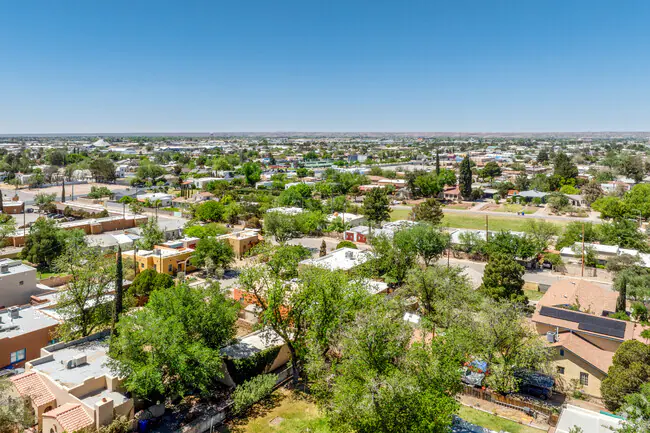
Property damage that goes unaddressed can spiral into costly structural problems, health hazards, and complete loss of belongings. When disaster strikes Las Cruces homes and businesses, immediate professional intervention prevents minor issues from becoming major catastrophes.
Our comprehensive restoration services address every type of property damage common to the Mesilla Valley:
- Water Damage Restoration - Extracting standing water, drying structures, and preventing secondary damage
- Flooded Basement - Specialized equipment for below-grade water removal and moisture control
- Sewage Cleanup - Safe removal of contaminated water with proper sanitization protocols
- Fire Damage Restoration - Structural cleaning, debris removal, and rebuilding fire-damaged areas
- Smoke Damage Restoration - Odor elimination, soot removal, and air quality restoration
- Mold Removal - Complete remediation with containment and prevention strategies
Las Cruces property owners benefit from rapid response times, advanced equipment, and restoration techniques that preserve both structural integrity and indoor air quality. Professional restoration minimizes insurance claims, reduces replacement costs, and gets families back into safe, healthy living spaces faster than attempting DIY repairs.
Common Damage Restoration Issues in Las Cruces, New Mexico
Las Cruces faces unique restoration challenges due to its desert climate, monsoon patterns, and aging infrastructure. Understanding these local factors helps property owners recognize damage early and respond appropriately.
Water-related damage sources include:
- Monsoon flooding overwhelming drainage systems and basement spaces
- Burst pipes from temperature fluctuations during winter months
- Irrigation system failures common in desert landscaping
- Sewage backups from overtaxed municipal systems during heavy rains
- Roof leaks from intense UV exposure causing material degradation
Fire and smoke damage patterns reflect:
- Wildfire smoke infiltration during regional fire seasons
- Kitchen fires from high-heat cooking in warm climates
- Electrical fires from overloaded cooling systems during summer peaks
- Vehicle fires spreading to attached garages and homes
Mold growth accelerates when:
- Evaporative coolers introduce excess moisture into dry air
- Hidden water damage goes undetected in wall cavities
- Poor ventilation traps humidity in bathrooms and kitchens
- Monsoon moisture combines with organic debris in crawl spaces
Early warning signs include musty odors, visible water stains, peeling paint, warped flooring, and respiratory symptoms that worsen indoors.
Neighborhoods We Serve in Las Cruces
Our restoration teams respond throughout Las Cruces and surrounding communities, providing rapid emergency services to both residential and commercial properties.
Primary service areas include:
- Downtown Las Cruces historic district
- Mesilla and Old Town areas
- East Mesa residential developments
- Foothills and Organ Mountains communities
- University area near NMSU campus
- West Mesa neighborhoods
- Picacho Hills and surrounding subdivisions
- Dona Ana and Mesilla Park
- Hatch and Rincon outlying areas
Each neighborhood presents distinct challenges - from historic adobe construction requiring specialized techniques to newer developments with complex HVAC systems. Our technicians understand local building patterns and adjust restoration methods accordingly for optimal results.
Seasonal Damage Patterns in Las Cruces
Las Cruces experiences predictable damage patterns that align with seasonal weather changes and regional climate cycles.
Spring (March-May):
- Wind damage from dust storms affecting roofing and siding
- Water damage from late-season pipe bursts as temperatures fluctuate
- Mold growth as heating systems shut down and humidity rises
Summer (June-August):
- Monsoon flooding creating basement and foundation water intrusion
- Fire damage peaks during dry periods before monsoon arrival
- Sewage backups from overwhelmed storm drainage systems
- Smoke damage from regional wildfires and local brush fires
Fall (September-November):
- Water damage from final monsoon storms and flash flooding
- Mold removal needs increase as moisture levels stabilize
- Fire damage from heating system startups and chimney use
Winter (December-February):
- Pipe bursts and water damage from freezing temperatures
- Smoke damage from increased fireplace and heating use
- Reduced mold activity but ongoing remediation needs
Housing Characteristics & Restoration Considerations
Las Cruces housing stock reflects both historic southwestern architecture and modern construction, each presenting unique restoration requirements.
Historic properties (pre-1950) feature:
- Adobe and stucco construction requiring specialized drying techniques
- Flat roofs prone to water pooling and infiltration
- Limited electrical systems increasing fire damage risks
- Thick walls that hide water damage and mold growth
- Original plumbing systems susceptible to sewage backup issues
Mid-century homes (1950-1980) commonly have:
- Concrete slab foundations vulnerable to water damage
- Evaporative cooling systems creating moisture control challenges
- Single-pane windows allowing smoke infiltration
- Minimal insulation complicating fire damage restoration
Modern construction (post-1980) includes:
- Complex HVAC systems requiring specialized smoke damage cleaning
- Engineered lumber more susceptible to water damage
- Basement levels in newer developments prone to flooding
- Synthetic materials producing toxic smoke during fires
Each construction type demands specific restoration approaches, from traditional adobe repair techniques to modern moisture detection equipment for engineered materials.
Environmental Conditions & Damage Implications
Las Cruces sits at 4,000 feet elevation in the Chihuahuan Desert, creating environmental conditions that directly impact property damage patterns and restoration needs.
Climate factors affecting restoration:
- Low humidity (20-30%) accelerates material drying but complicates mold prevention
- Intense UV radiation degrades roofing materials, increasing water intrusion risks
- Temperature swings (40-degree daily variations) stress building materials
- Alkaline soil conditions affect foundation drainage and water damage patterns
Monsoon season impacts include:
- Rapid water accumulation overwhelming drainage systems
- Flash flooding creating severe basement and crawl space damage
- High winds driving water into building envelope gaps
- Lightning strikes causing electrical fires and smoke damage
Air quality considerations:
- Dust infiltration complicating smoke damage cleanup
- Regional wildfire smoke requiring specialized filtration
- Agricultural burning affecting indoor air quality
- Wind-blown debris creating structural damage and entry points
Water table and drainage patterns:
- Caliche layers preventing proper drainage and extending water damage
- Seasonal water table fluctuations affecting basement moisture
- Irrigation return flows creating unexpected water intrusion
Monsoon Season Preparedness and Emergency Response
Las Cruces monsoon season transforms the desert landscape but can devastate unprepared properties. Understanding monsoon patterns and emergency response protocols protects homes and businesses from catastrophic damage.
Monsoon preparation strategies include:
- Inspect and clear roof drainage systems before June
- Test sump pumps and backup power systems
- Seal basement walls and foundation cracks
- Install flood barriers around vulnerable entry points
- Document property conditions with photos for insurance purposes
- Identify emergency water shutoff locations
- Stock emergency supplies including dehumidifiers and fans
During monsoon events:
- Monitor basement and crawl space areas for water intrusion
- Avoid driving through flooded streets that can back up into properties
- Document damage immediately with photos and videos
- Contact restoration professionals before attempting cleanup
- Turn off electricity in affected areas to prevent electrocution
Post-storm response priorities:
- Water extraction within 24-48 hours prevents mold growth
- Professional moisture detection identifies hidden damage
- Sewage cleanup requires immediate hazmat protocols
- Structural drying prevents long-term foundation issues
- Air quality testing confirms safe occupancy levels
Las Cruces emergency restoration services operate around the clock during monsoon season, providing rapid response when every hour counts in preventing permanent damage to your property.





