
Damage Restoration in Mendota Heights, MN
- Damage Restoration Services Overview
- Common Damage Restoration Issues in Mendota Heights, Minnesota
- Neighborhoods We Serve in Mendota Heights
- Seasonal Damage Patterns in Mendota Heights
- Housing Characteristics & Restoration Considerations
- Environmental Conditions & Damage Implications
- Minnesota River Valley Moisture Management Challenges
Damage Restoration Services Overview
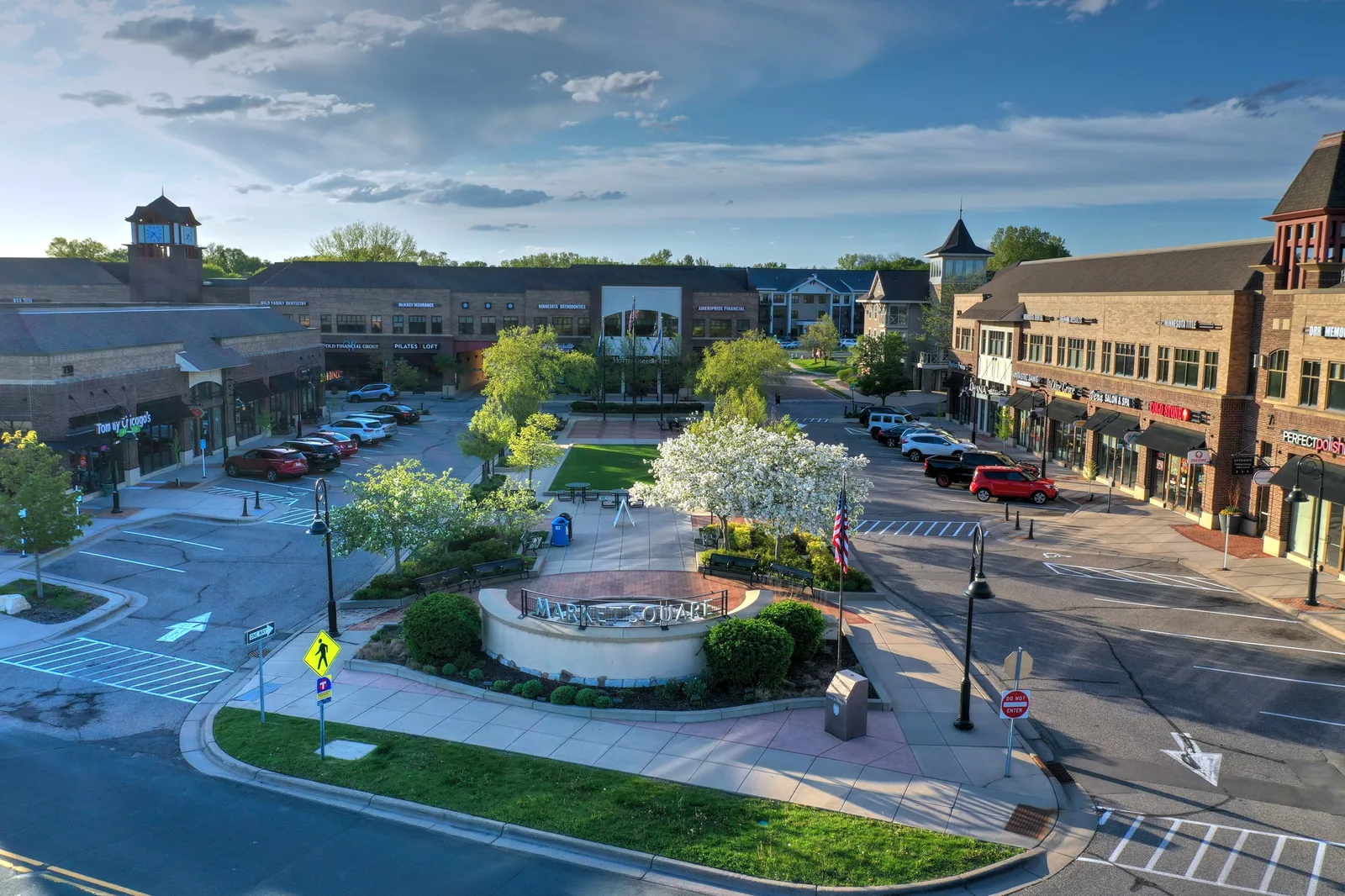
Property damage left untreated can escalate into structural deterioration, health hazards, and significant financial losses that affect families for years. When disaster strikes your Mendota Heights home or business, immediate professional intervention prevents minor incidents from becoming major catastrophes.
Our comprehensive restoration services address every type of property damage common to Minnesota properties:
- Water Damage Restoration - Complete extraction, drying, and structural repair
- Flooded Basement - Specialized below-grade water removal and moisture control
- Sewage Cleanup - Safe biohazard remediation and sanitization
- Fire Damage Restoration - Structural repair and content restoration
- Smoke Damage Restoration - Odor elimination and surface cleaning
- Mold Removal - Professional remediation and prevention strategies
Mendota Heights residents benefit from our rapid response capabilities and deep understanding of local building characteristics. Our trained technicians use advanced equipment to restore properties to pre-damage conditions while preventing secondary damage that often proves more costly than the original incident.
Common Damage Restoration Issues in Mendota Heights, Minnesota
Mendota Heights' proximity to the Minnesota River and Mississippi River confluence creates unique moisture challenges for local properties. The area's clay-rich soil retains water, increasing basement flooding risks during spring snowmelt and heavy rainfall periods.
Frequent damage scenarios include:
- Basement water intrusion from hydrostatic pressure and poor drainage
- Burst pipes during Minnesota's harsh winter freeze-thaw cycles
- Sump pump failures during peak water table periods
- Ice dam formation causing roof leaks and interior water damage
- Furnace malfunctions leading to smoke and fire damage in older homes
- Sewage backups from overwhelmed municipal systems during storms
Warning signs requiring immediate attention:
- Musty odors indicating hidden moisture or mold growth
- Water stains on walls, ceilings, or basement floors
- Warped flooring or bubbling paint surfaces
- Persistent smoke smells after cooking or heating incidents
- Visible mold growth in bathrooms, basements, or attics
- Sewage odors from drains or basement areas
Early intervention prevents these common issues from escalating into major restoration projects. Professional assessment within the first 24-48 hours significantly reduces overall damage and restoration costs.
Neighborhoods We Serve in Mendota Heights
Our restoration teams provide comprehensive services throughout Mendota Heights and surrounding Dakota County communities. We respond quickly to properties in established neighborhoods and newer developments alike.
Primary service areas include:
- Central Mendota Heights - Historic homes near Pilot Knob Road
- Wentworth Park area - Residential properties near the golf course
- Mendota Bridge vicinity - Riverfront properties with unique moisture challenges
- Highway 110 corridor - Mixed residential and commercial properties
- Adjacent communities - West St. Paul, Inver Grove Heights, Eagan
- Dakota County suburbs - Sunfish Lake, Lilydale, St. Paul Park
Our local presence means faster response times and intimate knowledge of neighborhood-specific challenges. We understand how different areas of Mendota Heights face varying risks from flooding, fire hazards, and environmental factors that influence restoration approaches.
Seasonal Damage Patterns in Mendota Heights
Minnesota's dramatic seasonal changes create predictable patterns of property damage throughout the year. Understanding these cycles helps homeowners prepare and respond appropriately when damage occurs.
Winter (December-February): Frozen pipes, ice dams, and heating system failures dominate emergency calls. Smoke damage from overworked furnaces and fireplace incidents increases significantly.
Spring (March-May): Rapid snowmelt and spring rains create peak flooding season. Basement water intrusion, sump pump failures, and sewage backups from overwhelmed systems require immediate attention.
- March - Ice dam damage becomes apparent as temperatures fluctuate
- April - Basement flooding peaks during heavy rainfall periods
- May - Mold growth accelerates in moisture-damaged areas
Summer (June-August): Severe thunderstorms bring flash flooding and wind damage. Air conditioning failures can create humidity problems leading to mold growth.
Fall (September-November): Preparation season for winter heating systems. Early furnace operation can reveal smoke damage issues, while falling leaves can block drainage systems causing water backup problems.
Housing Characteristics & Restoration Considerations
Mendota Heights features diverse housing stock ranging from mid-20th century ranch homes to contemporary custom builds. Properties built between 1960-1980 comprise the largest segment, presenting specific restoration challenges due to construction methods and materials of that era.
Common housing characteristics affecting restoration:
- Split-level designs with lower-level family rooms vulnerable to water damage
- Concrete block foundations prone to water seepage and efflorescence
- Original hardwood floors requiring specialized water damage restoration techniques
- Older electrical systems increasing fire risks during renovations
- Finished basements with carpeting and drywall susceptible to flood damage
- Brick and stone exteriors requiring specialized fire damage restoration approaches
Many homes feature additions and remodels that create unique challenges:
- Multiple roof levels increasing ice dam formation points
- Complex drainage patterns around additions
- Mixed construction materials requiring different restoration techniques
- Older plumbing systems in original sections prone to failures
- Varying insulation levels affecting moisture control
Our restoration approach adapts to each property's specific construction characteristics. We understand how different materials and building methods respond to water, fire, and smoke damage, allowing us to develop targeted restoration strategies that preserve original architectural features while ensuring complete remediation.
Environmental Conditions & Damage Implications
Mendota Heights' location in the Twin Cities metropolitan area creates specific environmental conditions that directly impact property damage patterns and restoration requirements. The city's elevation changes and proximity to major waterways influence moisture levels and drainage patterns.
Key environmental factors affecting restoration:
- Clay soil composition - Poor drainage increases basement flooding risks
- High water table - Hydrostatic pressure causes foundation seepage
- Humid continental climate - Promotes rapid mold growth after water damage
- Temperature extremes - Freeze-thaw cycles stress building materials
- River valley location - Creates unique air circulation patterns affecting smoke dispersion
Seasonal humidity variations impact restoration timelines:
- Spring humidity spikes slow drying processes during peak flood season
- Summer thunderstorms create sudden moisture intrusion events
- Fall temperature drops condense moisture in building cavities
- Winter heating systems create dry conditions that can crack building materials
Air quality considerations include proximity to major highways and industrial areas that can complicate smoke damage restoration. Particulate matter from external sources may require specialized filtration during restoration projects.
Our restoration protocols account for these environmental factors by adjusting drying equipment placement, extending monitoring periods in high-humidity conditions, and using specialized air filtration systems when external air quality impacts indoor restoration environments.
Minnesota River Valley Moisture Management Challenges
Mendota Heights' position in the Minnesota River valley creates unique moisture management challenges that require specialized restoration expertise. The convergence of the Minnesota and Mississippi rivers generates complex atmospheric conditions that significantly impact how water, mold, and structural damage develop in local properties.
Valley-specific restoration considerations include:
- Elevated groundwater pressure during spring snowmelt periods
- Fog formation that increases exterior moisture exposure
- Temperature inversions that trap moisture and pollutants
- Unique wind patterns affecting smoke dispersion during fire incidents
- Seasonal flooding risks from both river systems
Professional restoration in this environment requires advanced moisture detection equipment and extended monitoring protocols. Standard drying timeframes often need adjustment due to persistent high humidity levels that can extend 24-48 hours beyond typical expectations.
Our restoration approach incorporates valley-specific strategies:
- Enhanced dehumidification systems designed for high-moisture environments
- Specialized mold prevention treatments adapted to local humidity patterns
- Extended structural drying protocols accounting for clay soil moisture retention
- Advanced air filtration systems addressing river valley particulate concerns
- Comprehensive moisture mapping using thermal imaging and hygrometers
- Customized sewage cleanup protocols for properties near flood-prone areas
This expertise proves especially valuable for basement restoration projects where hydrostatic pressure and soil moisture create ongoing challenges. Our technicians understand how valley conditions affect different restoration materials and adjust techniques accordingly to prevent recurring damage and ensure long-term property protection.





