
Damage Restoration in Vineland, NJ
- Damage Restoration Services Overview
- Common Damage Restoration Issues in Vineland, New Jersey
- Neighborhoods We Serve in Vineland
- Seasonal Damage Patterns in Vineland
- Housing Characteristics & Restoration Considerations
- Environmental Conditions & Damage Implications
- From Emergency Response to Reconstruction: What a Vineland Restoration Project Looks Like
Damage Restoration Services Overview
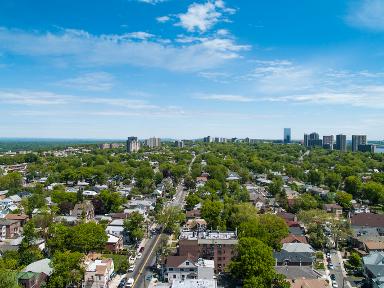
Few things rattle a homeowner like walking downstairs to standing water, or opening a door to the smell of smoke soaked into drywall. Property damage in Vineland rarely announces itself on a convenient schedule - it arrives during a summer thunderstorm, an overnight pipe failure, or a kitchen fire that spreads soot through every register in the house.
Restoration work covers a connected set of specialties, each addressing a different failure point in a building:
- Water Damage Restoration - extraction, structural drying, and moisture mapping after supply line breaks, appliance failures, roof leaks, and storm intrusion.
- Flooded Basement Recovery - pumping, sump and drainage evaluation, and drying of below-grade concrete, framing, and stored belongings.
- Sewage Cleanup - removal of Category 3 contaminated water, antimicrobial treatment, and safe disposal of porous materials.
- Fire Damage Restoration - debris removal, structural stabilization, contents handling, and rebuilding of damaged assemblies.
- Smoke Damage Restoration - soot removal, thermal fogging, HVAC cleaning, and odor neutralization in materials that absorbed combustion residue.
- Mold Removal - containment, HEPA filtration, affected material removal, and correction of the moisture source feeding growth.
The benefit to Vineland property owners is straightforward: fast moisture control limits secondary damage, documented drying supports insurance claims, and proper remediation protects indoor air quality for everyone in the household.
Common Damage Restoration Issues in Vineland, New Jersey
Vineland sits in Cumberland County on the Cape May-Salem outwash plain, where sandy soils, a relatively high water table in low-lying pockets, and heavy warm-season rainfall shape the damage patterns crews see most often.
Frequent Causes of Loss
- Summer convective storms dropping several inches of rain in an hour, overwhelming yard grading and window wells
- Sump pump failures during power outages on older residential circuits
- Aging cast iron and clay sewer laterals on the city's older east and central blocks, prone to root intrusion and backups
- Frozen and burst supply lines in unheated crawl spaces and garages during January cold snaps
- Water heater and washing machine hose failures - a leading cause of finished-basement losses
- Kitchen and heating-equipment fires, plus space heater incidents during winter
- Chronic humidity in crawl spaces and basements feeding mold growth behind paneling and under carpet pad
Warning Signs Worth Acting On
- Musty odor that gets stronger after rain or when the HVAC runs
- Efflorescence, chalky white staining, or bubbling paint on foundation walls
- Slow floor drains or gurgling toilets - often the first hint of a lateral blockage
- Soot film on the tops of door casings and around supply registers after a small fire
- Cupping hardwood, soft baseboard, or tack strips lifting from the slab
- Unexplained increases in allergy or asthma symptoms indoors
Small signals tend to precede large losses. Addressing them early keeps a drying job from becoming a mold remediation and rebuild project.
Neighborhoods We Serve in Vineland
Vineland is one of the largest municipalities by land area in New Jersey, so service coverage spans everything from dense downtown blocks to farmland-adjacent properties.
- Downtown Vineland and the Landis Avenue corridor
- East Vineland and the Route 40 corridor
- North Vineland and the Chestnut Avenue area
- South Vineland and the Sherman Avenue neighborhoods
- Menantico, Parvin, and the rural eastern tracts near the Menantico Creek watershed
- Neighborhoods near Delsea Drive and the Route 55 interchange
Surrounding communities are covered as well, including Millville, Bridgeton, Buena, Newfield, Franklinville, Landisville, Rosenhayn, Malaga, and points across Cumberland, Gloucester, Salem, and Atlantic counties. Rural properties on well and septic systems get the same drying and sanitation protocols as city-serviced homes, with added attention to groundwater contamination risk.
Seasonal Damage Patterns in Vineland
Winter (December - February)
- Burst pipes in crawl spaces, attics, and exterior walls during hard freezes
- Peak season for heating-related fire and smoke damage from furnaces, fireplaces, and space heaters
- Ice dams on low-slope roof sections driving water into ceilings
Spring (March - May)
- Snowmelt and steady rain saturating sandy soils, pushing water through foundation cracks
- Flooded basements when sump pumps run continuously and fail
- Mold colonies activating as indoor temperatures climb above 60 degrees
Summer (June - August)
- Thunderstorm downbursts, wind-driven rain, and roof leaks
- Sewer backups when combined runoff overloads municipal lines
- Highest mold risk of the year, with dew points regularly in the 70s
- Air conditioner condensate line clogs flooding closets and ceilings
Fall (September - November)
- Tropical system remnants and nor'easters producing multi-inch rainfall totals
- Clogged gutters redirecting water to foundations
- Early-season furnace startups causing puff-back soot events
Housing Characteristics & Restoration Considerations
Vineland's housing stock is unusually varied - Victorian-era homes near the historic Landis Avenue grid, mid-century ranches and Cape Cods from the postwar expansion, 1970s-1990s split-levels, and newer slab-on-grade construction on the outskirts.
How Building Age Shapes the Work
- Pre-1940 homes - plaster over wood lath dries slowly and holds smoke odor; knob-and-tube remnants and balloon framing let soot and moisture travel between floors.
- 1950s - 1970s ranches - block foundations, unsealed crawl spaces, and original cast iron drain lines that are common backup points.
- 1980s - 2000s split-levels - finished lower levels with carpet, paneling, and drywall that absorb basement flooding quickly.
- Newer slab construction - tighter envelopes hold humidity longer, so mechanical dehumidification matters more than air exchange.
Material-Specific Restoration Factors
- Asbestos-containing floor tile, mastic, and pipe insulation in older homes requires testing before demolition
- Lead paint considerations in pre-1978 properties affect how surfaces are cleaned after fire and smoke events
- Hardwood floors over sleepers can often be saved with specialty drying mats instead of replacement
- Blown-in and batt insulation that has absorbed sewage water is removed rather than dried
- Ductwork in unconditioned crawl spaces spreads both smoke residue and mold spores throughout the home
Documenting these conditions up front keeps scope, safety, and insurance expectations aligned from the first day.
Environmental Conditions & Damage Implications
South Jersey's humid subtropical climate is the single biggest environmental driver of restoration outcomes in Vineland. Roughly 44 inches of annual precipitation, extended summer humidity, and mild shoulder seasons create long windows where mold can establish.
Soil and Groundwater
- Sandy, well-draining Cohansey and Bridgeton formation soils move water rapidly - helpful for yards, but water reaches foundation footings fast during downpours
- Shallow water tables in low-lying areas near Maurice River tributaries keep basement slabs damp year-round
- Septic systems on rural parcels can surcharge during saturated conditions, creating sewage exposure on the property
Air and Indoor Conditions
- Summer dew points in the low 70s push indoor relative humidity above the 60 percent threshold where mold thrives
- Regional pollen and agricultural dust compound respiratory irritation after smoke or mold events
- Tight modern envelopes trap combustion residue and VOCs, making HEPA filtration and air scrubbing part of nearly every fire job
Practical Effects on Restoration
- Drying plans rely on dehumidification rather than open windows for much of the year
- Basement projects usually include moisture-source correction - grading, downspout extension, or sump upgrades
- Post-remediation verification confirms conditions actually returned to normal instead of relying on appearance alone
From Emergency Response to Reconstruction: What a Vineland Restoration Project Looks Like
Restoration is not a single visit. It is a documented sequence that moves a property from emergency stabilization to a finished, dry, odor-free space - and having one team handle every phase prevents the gaps that stall insurance claims.
The Start-to-Finish Process
- Emergency contact and dispatch - crews mobilize around the clock, since standing water and soot become harder to reverse by the hour.
- Inspection and hazard assessment - moisture meters, thermal imaging, and water category classification determine whether the loss is clean water, gray water, or contaminated sewage.
- Water extraction or debris removal - truck-mounted units and submersible pumps clear basements; fire jobs begin with board-up and structural stabilization.
- Containment and controlled demolition - unsalvageable drywall, insulation, carpet pad, and cabinetry are removed under negative air pressure when contamination or mold is present.
- Cleaning and sanitizing - antimicrobial application for sewage and mold work, soot removal and thermal fogging for smoke, contents cleaning for salvageable belongings.
- Structural drying - air movers and commercial dehumidifiers run on a monitored plan, with daily readings and drying logs recorded for the adjuster.
- Verification - moisture content is confirmed against dry standards, and post-remediation testing follows mold projects.
- Reconstruction - drywall, flooring, trim, paint, and cabinetry are rebuilt so the home is returned complete, not just dry.
Why Documentation Matters Locally
- Photo records, moisture maps, and daily drying logs support Cumberland County claims with Jersey carriers
- Clear category classification separates covered sudden losses from long-term seepage disputes
- Written scopes help homeowners understand what is being removed and why
Choosing IICRC-certified technicians who handle water, sewage, fire, smoke, and mold work under one roof means fewer handoffs, one point of accountability, and a faster return to normal.





