
Damage Restoration in Bridgeton, NJ
- Damage Restoration Services Overview
- Common Damage Restoration Issues in Bridgeton, New Jersey
- Neighborhoods We Serve in Bridgeton
- Seasonal Damage Patterns in Bridgeton
- Housing Characteristics & Restoration Considerations
- Environmental Conditions & Damage Implications
- Basement Water Intrusion and Sewage Backup Response in Bridgeton
Damage Restoration Services Overview
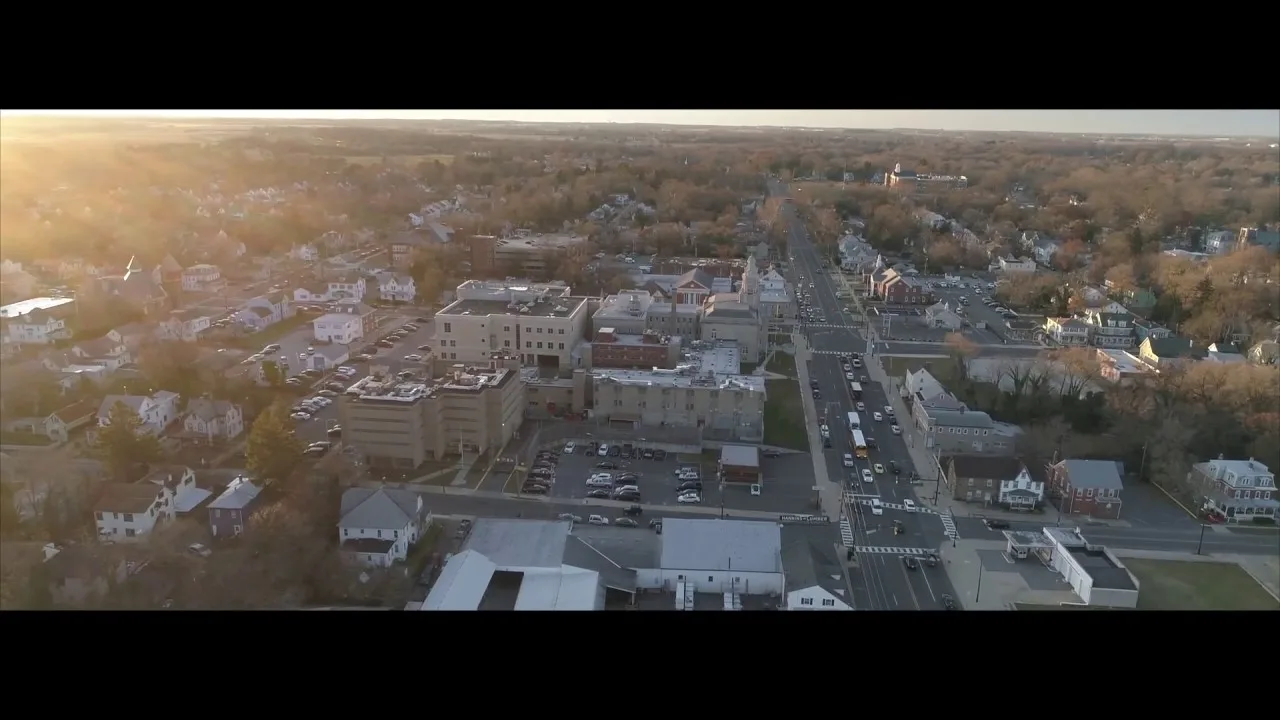
Water spreads through drywall and subfloor within minutes, and smoke residue starts etching into glass, metal, and finishes within hours. In Bridgeton, where many homes carry decades of history and Cumberland County weather swings hard between humid summers and freezing winters, the window between "manageable cleanup" and "full reconstruction" closes fast.
Local property owners have access to a full slate of restoration disciplines, each handling a different failure mode:
- Water Damage Restoration - extraction, structural drying, and moisture mapping after pipe breaks, appliance failures, and roof leaks
- Flooded Basement - pump-out, contents triage, and dehumidification for below-grade spaces along the Cohansey River corridor
- Sewage Cleanup - containment, removal of contaminated porous materials, and antimicrobial treatment after backups
- Fire Damage Restoration - debris removal, board-up, structural cleaning, and salvage of affected contents
- Smoke Damage Restoration - soot removal, thermal fogging, HVAC decontamination, and odor neutralization
- Mold Removal - containment barriers, HEPA filtration, material removal, and moisture-source correction
Providers like SERVPRO and Paul Davis Restoration maintain 24/7 emergency response for Bridgeton homes and businesses. Fast mobilization limits secondary damage, reduces the volume of material that must be discarded, and supports cleaner insurance documentation.
Common Damage Restoration Issues in Bridgeton, New Jersey
Bridgeton sits in the Delaware Bay watershed with a high water table, flat coastal-plain topography, and aging municipal infrastructure. That combination drives a predictable set of restoration calls year after year.
Frequent Causes of Loss
- Nor'easters and tropical remnants - wind-driven rain overwhelms gutters, forcing water behind siding and through roof penetrations
- Combined sewer surcharge - heavy rainfall pushes wastewater back through floor drains and basement fixtures
- Frozen and burst supply lines - uninsulated pipes in crawl spaces and unheated basements fail during January cold snaps
- Skylight and flashing failure - cracked glass, seal breakdown, and damaged flashing let water track down interior walls for weeks before anyone notices
- Sump pump burnout - continuous cycling during spring saturation shortens pump life
- Heating equipment and chimney fires - older furnaces, space heaters, and unlined flues in historic housing stock
Warning Signs Worth Acting On
- Musty or earthy odor in the basement, closets, or near baseboards
- Tide lines, bubbling paint, or soft spots on drywall
- Efflorescence - white powdery deposits on foundation block
- Gurgling drains or slow-emptying floor drains during rainfall
- Yellow-brown staining on ceilings beneath bathrooms or roof valleys
- Soot film on window glass, lampshades, or HVAC registers after a small kitchen or appliance fire
- Recurring allergy symptoms that ease when occupants leave the property
Any one of these signals hidden moisture or contamination that surface cleaning will not resolve.
Neighborhoods We Serve in Bridgeton
Restoration crews cover the full City of Bridgeton and the surrounding Cumberland County communities.
- Downtown and the Bridgeton Historic District - the largest historic district in New Jersey, with pre-1900 frame and masonry structures
- Cohansey River corridor - properties near Sunset Lake and Bridgeton City Park facing elevated groundwater
- North Bridgeton and Irving Avenue area - mid-century residential blocks
- Rosenhayn, Deerfield Township, and Seabrook - rural and semi-rural parcels on well and septic
- Upper Deerfield, Hopewell Township, and Shiloh
- Fairfield Township, Cedarville, and Greenwich - low-lying areas closer to the bay
- Vineland, Millville, and Elmer - neighboring service reach for larger commercial losses
Crews familiar with Bridgeton know which streets flood first, where sewer laterals run under mature tree roots, and which older homes hide knob-and-tube wiring behind plaster.
Seasonal Damage Patterns in Bridgeton
Restoration demand in South Jersey follows a fairly reliable annual rhythm.
- December through February - burst pipes, ice damming on low-slope roofs, and heating-related fire calls. Space heaters and fireplaces drive smoke damage claims.
- March and April - snowmelt plus spring rain saturates coastal-plain soil, producing the year's heaviest volume of flooded basement and sump failure calls.
- May and June - humidity climbs and mold colonies activate in basements and crawl spaces that dried incompletely over winter.
- July and August - thunderstorm downbursts, roof leaks, air conditioning condensate overflow, and sewage backups from intense short-duration rainfall.
- September and October - peak tropical and nor'easter season. Wind-driven rain, tree impacts, and widespread water intrusion.
- November - clogged gutters from leaf fall push water against foundations; furnaces restart and puff-back events coat interiors with soot.
Mold remediation requests trail water events by roughly two to six weeks, which is why post-loss moisture verification matters more than a visual dry check.
Housing Characteristics & Restoration Considerations
Bridgeton's building stock skews older than the New Jersey average, with a large share of homes built before 1940 and a meaningful cluster from the Victorian and early industrial era.
Construction Types Common Locally
- Wood-frame homes with plaster-and-lath interior walls
- Brick and stone foundations, often with fieldstone or unparged block basements
- Balloon-framed structures with open wall cavities running floor to roof
- Mid-century ranches and Cape Cods with poured concrete basements
- Manufactured and modular homes in outlying township areas
How Age Affects Restoration Work
- Plaster holds moisture differently than drywall - it can appear dry on the surface while the lath behind stays saturated, so meter readings and thermal imaging guide removal decisions.
- Balloon framing spreads fire and smoke vertically - soot and odor migrate to attics through open stud bays, requiring inspection well beyond the visible burn area.
- Pre-1978 finishes may contain lead paint, and pre-1985 materials may contain asbestos in floor tile, pipe wrap, and duct mastic - testing precedes demolition.
- Stone and block foundations wick groundwater, making basement drying slower and mold prevention a longer engagement.
- Cast iron and clay sewer laterals crack and root-intrude, raising sewage backup risk in older blocks.
- Original hardwood and millwork often justifies in-place drying and specialty cleaning rather than replacement.
Homeowners frequently see restoration project figures in Bridgeton averaging in the low-to-mid thousands, though scope, contamination category, and material salvageability move that number considerably.
Environmental Conditions & Damage Implications
Bridgeton's humid subtropical climate delivers hot, sticky summers and cold, damp winters - conditions that favor microbial growth nearly year-round.
Local Environmental Factors
- Annual precipitation exceeding 44 inches, distributed fairly evenly across months
- Summer relative humidity routinely above 70 percent, well past the 60 percent threshold where mold activates
- Sandy loam and coastal-plain soils that drain quickly on the surface but sit above a shallow water table
- Tidal influence from the Cohansey River, which slows stormwater discharge during high water
- Iron and mineral content in groundwater, leaving staining on foundations and contributing to sump and pump wear
What That Means for Each Service
- Water damage - ambient humidity slows evaporation, so desiccant or LGR dehumidification typically outperforms passive drying
- Flooded basements - hydrostatic pressure returns after every heavy rain, so drainage correction matters alongside extraction
- Sewage cleanup - warm, moist conditions accelerate bacterial growth, making rapid removal of contaminated porous materials non-negotiable
- Fire and smoke - humid air keeps acidic soot particles reactive longer, increasing corrosion on metal fixtures and electronics
- Mold removal - regional pollen and outdoor spore loads mean containment and HEPA filtration protect indoor air during the work
Post-remediation verification through moisture logging and air sampling confirms conditions actually returned to normal ranges.
Basement Water Intrusion and Sewage Backup Response in Bridgeton
Below-grade water is Bridgeton's signature restoration challenge. Between a shallow water table, older combined-sewer infrastructure, and foundations built long before modern waterproofing, basements take the brunt of every significant storm.
A Thorough Response Sequence
- Safety and category assessment - power isolation, gas check, and classification of the water as clean, gray, or black. Sewage-contaminated water changes every downstream decision.
- Containment - poly barriers and negative air machines prevent contaminants and odors from reaching living space and ductwork.
- Bulk extraction - truck-mounted or portable pumps remove standing water before it wicks further into block, framing, and stored contents.
- Controlled demolition - removal of saturated insulation, wet drywall to a measured height, contaminated carpet pad, and any porous material touched by Category 3 water.
- Cleaning and antimicrobial application - hard surfaces scrubbed, treated, and inspected under adequate lighting rather than a quick wipe-down.
- Structural drying - air movers and dehumidifiers positioned by airflow calculation, with daily moisture readings logged at fixed monitoring points.
- Verification and documentation - readings compared against unaffected reference materials before equipment leaves the site.
Details That Separate Complete Work From Surface Work
- Checking behind stair stringers, under bottom plates, and inside hollow block cores
- Inspecting HVAC returns and duct interiors for contamination pull-through
- Photographing and inventorying affected contents for claim support
- Identifying the actual source - failed sump, cracked lateral, negative grading, or downspout discharge too close to the foundation
- Recommending backwater valves, battery backup pumps, and exterior drainage corrections so the next storm produces a different outcome
Finishing the job means the basement is dry, sanitized, odor-free, and less likely to flood again.





