
Damage Restoration in Ocean City, NJ
- Damage Restoration Services Overview
- Common Damage Restoration Issues in Ocean City, New Jersey
- Neighborhoods We Serve in Ocean City
- Seasonal Damage Patterns in Ocean City
- Housing Characteristics & Restoration Considerations
- Environmental Conditions & Damage Implications
- Storm Surge Impact and Multi-Service Restoration Needs
Damage Restoration Services Overview
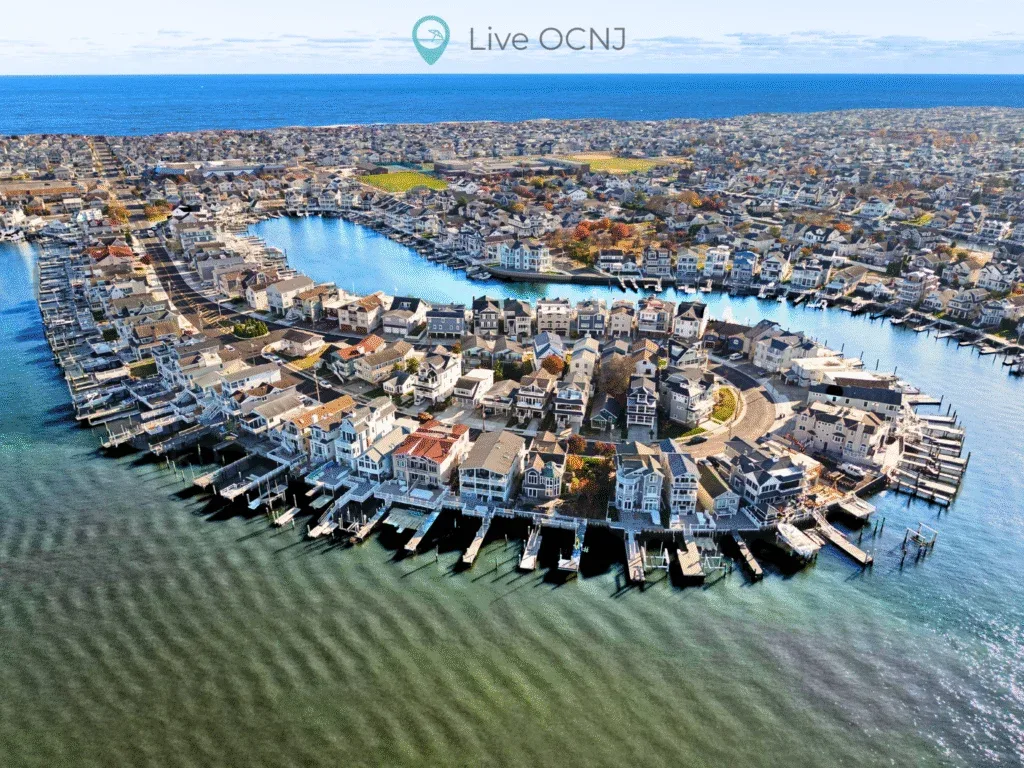
When disaster strikes your Ocean City home, professional restoration services provide the peace of mind and expertise needed to restore your property to its pre-damage condition. Our comprehensive damage restoration services address the unique challenges faced by coastal New Jersey residents, from storm-related flooding to fire damage and everything in between.
Ocean City property owners have access to a full spectrum of restoration solutions:
- Water Damage Restoration - Complete moisture removal, structural drying, and repair services
- Flooded Basement - Specialized basement water extraction and waterproofing solutions
- Sewage Cleanup - Safe removal and sanitization of contaminated water
- Fire Damage Restoration - Structural repair and reconstruction after fire incidents
- Smoke Damage Restoration - Odor elimination and surface cleaning throughout affected areas
- Mold Removal - Professional remediation and prevention strategies
These services work together to address the interconnected nature of property damage. Water damage often leads to mold growth, while fire damage frequently involves both smoke and water damage from firefighting efforts. Professional restoration teams understand these relationships and develop comprehensive treatment plans that address all aspects of damage simultaneously, preventing secondary issues and reducing overall restoration time.
Common Damage Restoration Issues in Ocean City, New Jersey
Ocean City's coastal location creates specific vulnerability patterns that residents should understand. The combination of Atlantic Ocean proximity, barrier island geography, and seasonal weather patterns contributes to distinct damage risks throughout the year.
Primary damage factors affecting Ocean City properties include:
- Storm surge and coastal flooding - Nor'easters and tropical storms bring significant water damage risks
- High humidity levels - Year-round moisture promotes mold growth in basements and crawl spaces
- Salt air corrosion - Accelerated deterioration of building materials and systems
- Seasonal rental turnover - Vacant properties face delayed damage detection
- Aging infrastructure - Older plumbing and electrical systems increase failure risks
Warning signs Ocean City residents should monitor include:
- Water stains on ceilings or walls indicating roof leaks or plumbing issues
- Musty odors suggesting hidden moisture or mold growth
- Basement dampness or standing water after storms
- Discolored grout or tile indicating chronic moisture exposure
- Peeling paint or wallpaper from humidity damage
- Electrical outlets or switches showing water damage signs
The interconnected nature of coastal damage means that water intrusion often triggers multiple restoration needs. A single storm event might require water extraction, mold prevention, and structural drying, while fire incidents in older homes frequently involve extensive smoke damage restoration due to outdated ventilation systems.
Neighborhoods We Serve in Ocean City
Our restoration services cover all Ocean City neighborhoods and surrounding communities, recognizing that each area faces unique damage risks based on elevation, proximity to water, and housing characteristics.
Primary service areas include:
- Downtown Ocean City - Historic district with older commercial and residential properties
- North End - Primarily residential area with varying home ages and styles
- South End - Mix of year-round and seasonal properties near Corson's Inlet
- Bayfront communities - Properties facing Great Egg Harbor Bay with flood exposure
- Oceanfront areas - Beachside properties with salt air and storm surge risks
We also serve nearby communities including Somers Point, Longport, Strathmere, and Sea Isle City. Each location presents distinct restoration challenges, from the historic properties downtown requiring specialized fire damage restoration techniques to newer bayfront homes needing advanced water damage prevention systems. Our local expertise allows us to tailor restoration approaches to specific neighborhood characteristics and common damage patterns.
Seasonal Damage Patterns in Ocean City
Ocean City's seasonal damage patterns reflect both weather cycles and occupancy changes that affect property vulnerability throughout the year.
Spring (March-May) brings increased water damage from winter freeze-thaw cycles and early storm activity. Basement flooding becomes common as snow melts and spring rains overwhelm drainage systems. Mold removal needs peak as humidity rises in previously unheated spaces.
Summer (June-August) sees heightened fire damage restoration needs due to increased electrical loads from air conditioning and vacation rental activity. Sewage cleanup requests rise with higher occupancy levels straining older septic systems and plumbing.
Fall (September-November) marks hurricane and nor'easter season, creating the year's highest demand for water damage restoration and flooded basement services. Storm surge and wind-driven rain affect both oceanfront and bayside properties.
Winter (December-February) brings unique challenges:
- Frozen pipe bursts requiring immediate water damage restoration
- Heating system malfunctions leading to smoke damage
- Reduced property monitoring increasing damage severity
- Ice dam formation causing roof leaks and water intrusion
Understanding these patterns helps property owners prepare for seasonal risks and schedule preventive maintenance during lower-risk periods.
Housing Characteristics & Restoration Considerations
Ocean City's housing stock presents unique restoration challenges due to the mix of historic properties, mid-century construction, and modern coastal homes. The majority of structures date from the 1950s through 1980s, with significant numbers of both older Victorian-era buildings and newer post-2000 construction designed to current flood standards.
Common construction characteristics affecting restoration include:
- Elevated foundations - Required by flood codes but creating access challenges for water damage restoration
- Wood frame construction - Susceptible to both fire damage and moisture-related deterioration
- Vinyl and fiber cement siding - Generally resilient but requiring specialized cleaning after smoke damage
- Concrete block foundations - Prone to moisture wicking and mold growth in basement areas
- Asphalt shingle roofing - Vulnerable to wind damage and subsequent water intrusion
Older properties often feature:
- Knob-and-tube electrical systems increasing fire risks
- Cast iron plumbing prone to failure and sewage backup
- Inadequate insulation promoting condensation and mold growth
- Original hardwood floors requiring specialized water damage treatment
- Plaster walls demanding careful smoke damage restoration techniques
Newer construction typically includes improved moisture barriers and fire-resistant materials, but may still require professional restoration services when damage occurs. The combination of coastal exposure and varying construction standards means that restoration approaches must be tailored to each property's specific characteristics and age-related vulnerabilities.
Environmental Conditions & Damage Implications
Ocean City's coastal environment creates specific conditions that directly impact damage patterns and restoration requirements. The Atlantic Ocean's moderating influence produces high humidity levels year-round, while salt air accelerates material deterioration and affects restoration techniques.
Key environmental factors include:
- Average humidity of 70-80% - Promotes rapid mold growth and complicates water damage restoration
- Salt air exposure - Corrodes metals and requires specialized cleaning after fire or smoke damage
- Sandy soil composition - Provides good drainage but can shift during flooding events
- Sea level elevation - Increases flood risk and groundwater infiltration in basements
- Prevailing offshore winds - Drive salt spray inland, affecting all properties
Climate impacts on restoration services:
- Mold removal requires aggressive dehumidification due to persistent moisture
- Water damage restoration must account for salt contamination in flood water
- Fire damage restoration involves removing salt deposits that accelerate corrosion
- Sewage cleanup becomes more complex due to sandy soil infiltration
- Flooded basement issues often involve both fresh water and salt water intrusion
The barrier island location means that storm events can bring both ocean surge and bay flooding, creating unique contamination challenges. Restoration teams must understand how salt water affects different materials and adjust drying, cleaning, and repair techniques accordingly. The high humidity environment also means that standard drying times may be extended, and additional dehumidification equipment is often necessary to prevent secondary mold growth during the restoration process.
Storm Surge Impact and Multi-Service Restoration Needs
Ocean City's position as a barrier island makes it particularly vulnerable to storm surge events that create complex, multi-faceted damage requiring coordinated restoration services. Unlike inland flooding that typically involves fresh water, storm surge brings salt water contamination that affects every aspect of the restoration process and often triggers the need for multiple simultaneous services.
Storm surge damage typically requires integrated restoration approaches:
- Immediate water damage restoration - Salt water extraction requires specialized equipment and techniques
- Comprehensive sewage cleanup - Storm surge often overwhelms septic systems and mixes with contaminated water
- Preventive mold removal - High humidity and organic debris create rapid mold growth conditions
- Flooded basement remediation - Below-grade spaces face prolonged exposure and complex drainage challenges
The salt content in storm surge water creates unique restoration challenges that standard freshwater damage protocols cannot address. Salt accelerates corrosion of electrical systems, HVAC components, and metal fixtures, while also affecting the pH balance of building materials. This often means that what initially appears to be straightforward water damage restoration evolves into comprehensive property rehabilitation.
Post-storm restoration sequences typically follow this pattern:
- Emergency water extraction with salt-water compatible equipment
- Immediate sewage cleanup if contamination is present
- Aggressive structural drying with enhanced dehumidification
- Preventive mold removal treatment before growth becomes visible
- Assessment for fire damage restoration needs if electrical systems were compromised
- Smoke damage restoration if generators or heating systems malfunctioned
The interconnected nature of storm damage means that Ocean City residents often benefit most from restoration companies capable of managing multiple service types simultaneously, reducing overall restoration time and preventing secondary damage that can occur when different aspects of restoration are handled separately or sequentially rather than as part of a coordinated response plan.





