
Damage Restoration in Brigantine, NJ
- Damage Restoration Services Overview
- Common Damage Restoration Issues in Brigantine, New Jersey
- Neighborhoods We Serve in Brigantine
- Seasonal Damage Patterns in Brigantine
- Housing Characteristics & Restoration Considerations
- Environmental Conditions & Damage Implications
- Coastal Storm Preparedness & Emergency Response
Damage Restoration Services Overview
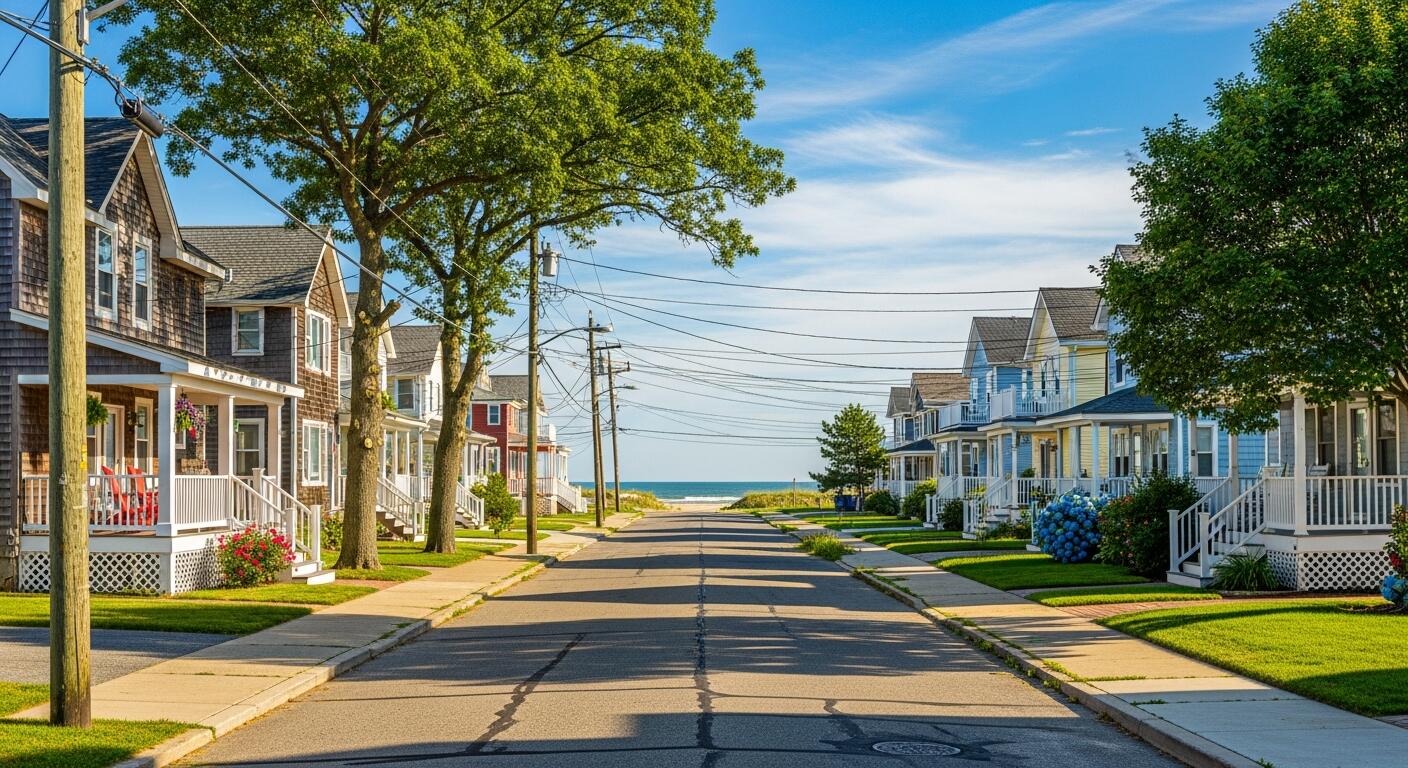
Brigantine's unique position as a barrier island along the New Jersey coast creates distinctive restoration challenges that require specialized expertise. The combination of Atlantic Ocean exposure, tidal influences, and coastal weather patterns makes properties particularly vulnerable to various types of damage throughout the year.
Seaboard Building & Restoration, Inc. delivers premier restoration solutions specifically designed for Brigantine's coastal environment. Our comprehensive services address the full spectrum of damage scenarios that affect island properties:
- Water Damage Restoration - Immediate response to storm surge, flooding, and plumbing failures
- Flooded Basement - Specialized techniques for below-grade water intrusion and drainage issues
- Sewage Cleanup - Safe, thorough remediation of contaminated water events
- Fire Damage Restoration - Complete structural and content recovery services
- Smoke Damage Restoration - Advanced cleaning and odor elimination techniques
- Mold Removal - Professional remediation addressing coastal humidity challenges
Each service integrates seamlessly with our reconstruction capabilities, ensuring properties return to pre-loss condition efficiently. Our team coordinates directly with local building officials and understands Brigantine's specific flood hazard area requirements, streamlining the restoration process for property owners facing damage from nor'easters, hurricanes, or everyday incidents.
Common Damage Restoration Issues in Brigantine, New Jersey
Brigantine's coastal location creates a perfect storm of conditions that lead to recurring damage patterns. The island's exposure to Atlantic weather systems, combined with its low elevation and proximity to water bodies, generates unique restoration challenges that differ significantly from inland New Jersey communities.
Most frequent damage scenarios include:
- Storm surge flooding - Nor'easters and hurricanes push saltwater into homes, requiring specialized water damage restoration techniques
- Basement water intrusion - High water tables and storm events create persistent flooded basement conditions
- Wind-driven rain damage - Coastal storms force water through building envelopes, causing interior water damage
- Sewage backup events - Storm system overloads lead to contaminated water cleanup needs
- Electrical fires - Salt air corrosion increases fire risks, requiring comprehensive fire damage restoration
- Smoke infiltration - Dense coastal air traps smoke particles, necessitating thorough smoke damage restoration
- Persistent mold growth - High humidity levels accelerate mold development, making professional mold removal essential
Warning signs specific to Brigantine properties include musty odors after storms, water stains near foundation levels, salt residue on surfaces, and electrical system irregularities. The island's unique microclimate means damage can develop rapidly, making prompt professional intervention necessary to prevent escalation from minor water intrusion to major structural issues requiring extensive restoration services.
Neighborhoods We Serve in Brigantine
Our restoration services cover all areas of Brigantine Island, from oceanfront properties to bayside communities. Each neighborhood presents distinct challenges based on elevation, proximity to water, and housing characteristics.
Primary service areas include:
- North Brigantine - Oceanfront homes and the Links Golf Course area
- Central Brigantine - Historic downtown district and residential neighborhoods
- South Brigantine - Bayside properties and newer developments
- Harbor Beach - Waterfront communities along Brigantine Channel
- Lighthouse Point - Northern tip properties near Brigantine Lighthouse
We also extend services to adjacent areas including Atlantic City, Ventnor, Margate, and Longport. Our familiarity with coastal building codes, flood zone requirements, and local construction practices ensures restoration work meets all municipal standards while addressing the specific environmental challenges each neighborhood faces throughout the year.
Seasonal Damage Patterns in Brigantine
Brigantine's damage patterns follow predictable seasonal cycles driven by Atlantic weather systems and coastal conditions. Understanding these patterns helps property owners prepare for and respond to common restoration needs throughout the year.
Spring (March-May) brings nor'easter activity, creating water damage restoration needs from storm surge and wind-driven rain. Flooded basements become common as winter snow melts combine with spring storms.
Summer (June-August) presents fire damage risks from increased electrical usage and outdoor activities. High humidity levels accelerate mold growth, making professional mold removal services frequently necessary during this period.
Fall (September-November) marks hurricane season peak, generating the year's most severe water damage events. Storm surge, sewage backup, and widespread flooding create high demand for comprehensive restoration services.
Winter (December-February) features ice dam formation and freeze-thaw cycles causing water intrusion. Heating system malfunctions increase fire damage incidents, while poor ventilation during closed-house conditions promotes mold development.
Smoke damage restoration needs remain consistent year-round but spike during holiday periods and summer recreational activities. Each season requires different restoration approaches based on temperature, humidity, and storm activity patterns affecting the island.
Housing Characteristics & Restoration Considerations
Brigantine's housing stock reflects decades of coastal construction evolution, with building ages and styles directly impacting restoration approaches. The island features a mix of vintage beach cottages, mid-century ranch homes, and modern elevated construction designed to meet current flood zone requirements.
Key housing characteristics affecting restoration include:
- Elevated construction - Many homes built on pilings require specialized water damage restoration techniques for underneath areas
- Older foundation systems - Pre-1980s homes often have basement flooding vulnerabilities requiring comprehensive flooded basement solutions
- Mixed construction materials - Combination of wood frame, concrete block, and steel elements affects fire damage restoration approaches
- Vintage electrical systems - Older wiring increases fire risks and complicates smoke damage restoration in affected areas
- Limited ventilation - Compact coastal designs can trap moisture, accelerating mold growth and requiring professional mold removal
Properties built before modern flood codes often lack adequate drainage systems, making sewage cleanup more complex during storm events. Newer construction incorporates flood-resistant materials and elevated utilities, but still requires specialized restoration techniques when damage occurs.
The island's building density and shared walls in some areas mean damage can spread quickly between properties. Our restoration teams understand these interconnections and coordinate with neighboring property owners when necessary to prevent damage escalation and ensure complete restoration of affected structures.
Environmental Conditions & Damage Implications
Brigantine's environmental conditions create a complex restoration environment where salt air, high humidity, and coastal weather patterns significantly influence damage development and restoration approaches. The island's position between the Atlantic Ocean and back bay waters creates unique microclimates that affect how different types of damage manifest and spread.
Critical environmental factors include:
- Salt air exposure - Accelerates corrosion and creates unique fire damage restoration challenges for metal components
- High humidity levels - Year-round moisture promotes rapid mold growth, making professional mold removal services frequently necessary
- Sandy soil composition - Provides excellent drainage but can shift during storms, affecting foundation stability and water damage patterns
- Tidal influences - Create fluctuating groundwater levels that complicate flooded basement restoration and sewage cleanup efforts
- Wind exposure - Constant salt-laden breezes drive moisture into building materials, affecting smoke damage restoration and long-term structural integrity
The island's water table sits close to surface level, making basement water intrusion a persistent challenge requiring specialized restoration techniques. Storm events can cause rapid water table rises, overwhelming drainage systems and creating widespread flooding conditions.
Air quality considerations include salt particle presence that can interfere with smoke damage restoration processes and equipment operation. The coastal environment also means materials dry differently than inland locations, requiring adjusted restoration timelines and techniques to prevent secondary damage like mold growth during the restoration process.
Coastal Storm Preparedness & Emergency Response
Brigantine's position as a barrier island makes storm preparedness and rapid emergency response critical components of effective damage restoration. The island's vulnerability to nor'easters, hurricanes, and coastal flooding requires residents to understand both prevention strategies and immediate response protocols when damage occurs.
Pre-storm preparation significantly reduces restoration complexity and costs:
- Basement waterproofing maintenance - Regular sump pump testing and drainage system inspection prevents extensive flooded basement scenarios
- Electrical system protection - Elevating utilities and installing surge protection reduces fire damage risks during storms
- Ventilation system checks - Proper airflow prevents moisture buildup that leads to mold removal needs
- Sewage system maintenance - Backflow preventer installation reduces sewage cleanup requirements during storm surges
- Building envelope sealing - Window and door weatherization prevents water damage restoration needs from wind-driven rain
When storms strike, immediate response protocols become essential. The island's limited access during severe weather means restoration teams must coordinate carefully with emergency services and municipal officials. Our emergency response includes rapid water extraction, structural stabilization, and temporary protection measures that prevent minor damage from escalating into major restoration projects.
Post-storm assessment requires understanding how saltwater affects different building materials compared to freshwater flooding. Salt accelerates corrosion and creates unique cleaning challenges for smoke damage restoration if electrical fires occur during storms. Our restoration teams use specialized equipment and techniques designed specifically for coastal environments, ensuring complete remediation that addresses both immediate damage and prevents long-term deterioration from salt exposure.





