
Damage Restoration in Meridian, ID
- Damage Restoration Services Overview
- Common Damage Restoration Issues in Meridian, Idaho
- Neighborhoods We Serve in Meridian
- Seasonal Damage Patterns in Meridian
- Housing Characteristics & Restoration Considerations
- Environmental Conditions & Damage Implications
- Irrigation Infrastructure & Water Damage Prevention
Damage Restoration Services Overview
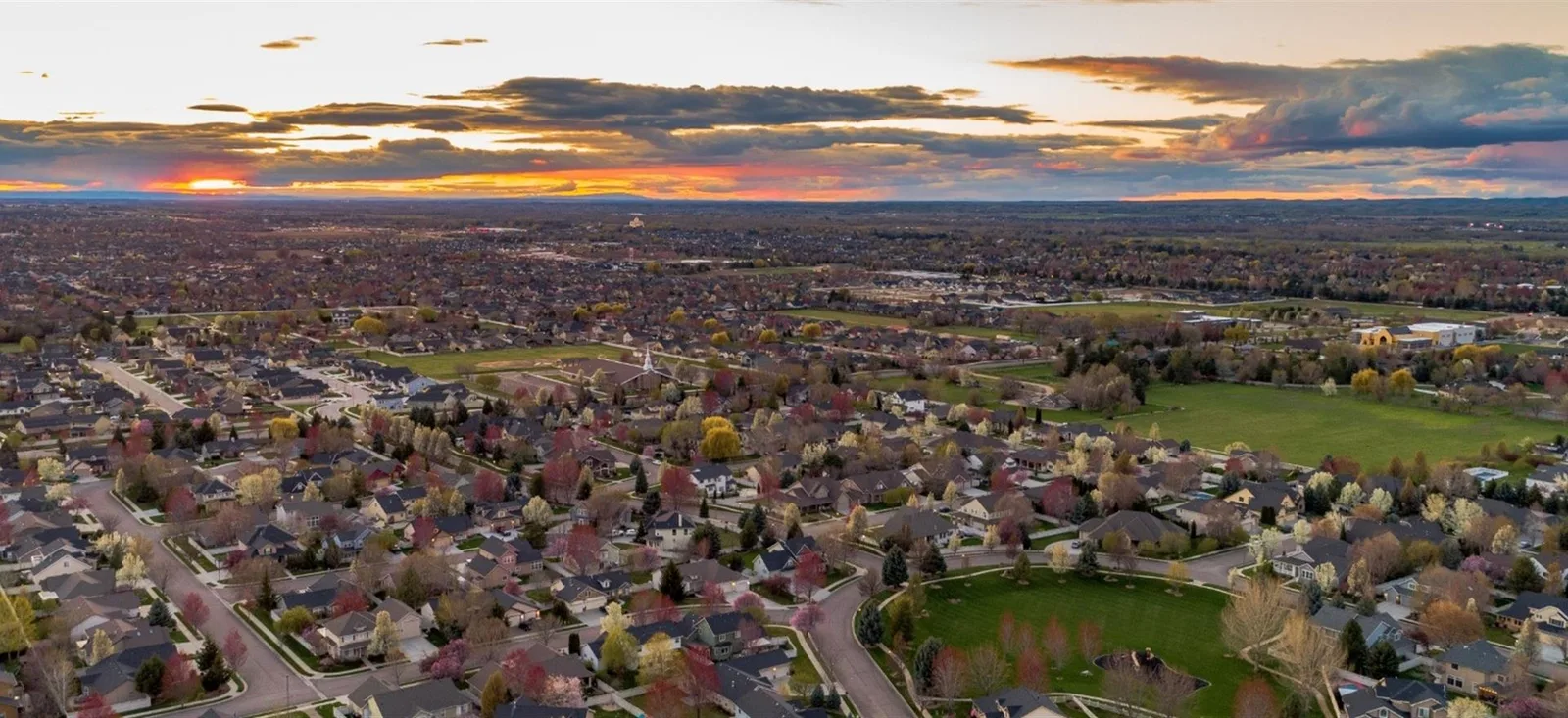
Meridian, Idaho's rapid growth and diverse housing stock create unique restoration challenges that require specialized expertise. From newer subdivisions with modern construction to established neighborhoods with aging infrastructure, property damage can strike anywhere in the Treasure Valley.
Professional damage restoration services address multiple types of emergencies affecting Meridian homes and businesses:
- Water Damage Restoration - Burst pipes, appliance failures, and storm-related flooding
- Flooded Basement - Foundation water intrusion and below-grade moisture issues
- Sewage Cleanup - Contaminated water removal and sanitization
- Fire Damage Restoration - Structural repairs and content cleaning after fires
- Smoke Damage Restoration - Odor elimination and soot removal throughout properties
- Mold Removal - Safe remediation of fungal growth and moisture control
Immediate response makes the difference between minor repairs and extensive reconstruction. Local restoration companies begin mitigation as soon as conditions are safe, focusing on moisture extraction and structural stabilization to prevent secondary damage.
Common Damage Restoration Issues in Meridian, Idaho
Meridian's location in the Treasure Valley creates specific vulnerability patterns that property owners should recognize. The area's clay soil composition affects drainage and foundation stability, while seasonal temperature swings stress building materials.
Frequent damage scenarios include:
- Pipe freezing and bursting during winter cold snaps
- Basement flooding from spring snowmelt and irrigation overflow
- Sewer backups during heavy precipitation events
- Kitchen and bathroom fires from cooking and electrical issues
- Wildfire smoke infiltration during regional fire seasons
- Mold growth in poorly ventilated areas with high humidity
Warning signs that require immediate attention:
- Water stains on ceilings or walls indicating hidden leaks
- Musty odors suggesting mold development
- Discolored or warped flooring from moisture exposure
- Persistent smoke smells after nearby fires
- Sewage odors from drains or basement areas
- Unusual increases in utility bills indicating system problems
Early detection and professional intervention prevent minor issues from becoming major restoration projects. Regular maintenance and monitoring help identify problems before they cause extensive damage.
Neighborhoods We Serve in Meridian
Our restoration services cover all Meridian communities, from established neighborhoods to new developments throughout the area. We respond quickly to calls from every corner of the city.
Service areas include:
- Central Meridian - Historic downtown and surrounding residential areas
- Linder Village - Mixed-use development with modern construction
- Paramount - Master-planned community with diverse housing types
- Settlers Park - Established neighborhood with mature landscaping
- Ustick Station - Transit-oriented development area
- Ten Mile Creek - Newer subdivisions and commercial districts
We also serve surrounding areas including Eagle, Boise, Nampa, and Caldwell. Our local knowledge helps us respond efficiently to any address in the greater Treasure Valley region.
Seasonal Damage Patterns in Meridian
Meridian experiences distinct seasonal patterns that affect property damage risks throughout the year. Understanding these cycles helps property owners prepare for potential issues.
Winter (December-February): Frozen pipes and ice dam formation create water damage risks. Heating system malfunctions can cause fires or carbon monoxide issues.
Spring (March-May): Snowmelt and spring rains lead to basement flooding and foundation water intrusion. Rapid temperature changes stress building materials.
- Increased sewage backup incidents from overwhelmed systems
- Mold growth acceleration in damp conditions
- Roof leak discovery as snow melts reveal winter damage
Summer (June-August): Wildfire smoke affects air quality and infiltrates buildings. Irrigation system failures cause localized flooding.
Fall (September-November): HVAC startup issues and chimney fires become more common. Leaf accumulation blocks drainage systems.
- Appliance failures from seasonal usage changes
- Storm damage from occasional severe weather
- Indoor air quality issues as buildings close up for winter
Housing Characteristics & Restoration Considerations
Meridian's housing stock reflects decades of growth, from 1970s ranch homes to contemporary construction. This diversity affects restoration approaches and material requirements.
Common construction types and their restoration considerations:
- Wood frame construction - Vulnerable to fire damage but easier to access for repairs
- Concrete slab foundations - Resist moisture but can crack and allow water intrusion
- Basement construction - Higher flood risk but provides access to utilities
- Stucco exterior finishes - Can hide water damage behind walls
- Composite siding materials - May require specialized cleaning after smoke exposure
Newer homes often feature:
- Improved insulation that can trap moisture if damaged
- Complex HVAC systems requiring specialized cleaning
- Advanced electrical systems sensitive to water exposure
- Engineered lumber that responds differently to water damage
- Open floor plans that allow rapid fire and smoke spread
Older properties typically have solid wood framing that handles water exposure better but may lack modern fire safety features. Understanding construction details helps restoration professionals develop effective repair strategies.
Environmental Conditions & Damage Implications
Meridian's high desert climate creates unique environmental factors that influence damage patterns and restoration requirements. The area receives about 12 inches of annual precipitation, mostly during winter and spring months.
Key environmental factors affecting restoration:
- Low humidity levels - Can cause rapid material drying but also structural stress
- Temperature extremes - Summer highs over 100°F and winter lows below freezing
- Alkaline soil conditions - Affect foundation stability and drainage patterns
- Seasonal wind patterns - Spread wildfire smoke and drive moisture intrusion
- Hard water conditions - Increase mineral buildup and appliance failures
These conditions impact specific restoration services:
- Water damage - Rapid evaporation can concentrate contaminants
- Mold growth - Limited by low humidity but accelerated in wet conditions
- Fire damage - Dry conditions increase ignition risk and burn intensity
- Smoke infiltration - Low humidity helps smoke particles penetrate deeply
- Sewage cleanup - High temperatures accelerate bacterial growth
Air quality monitoring becomes especially important during wildfire seasons when regional smoke affects indoor environments. Professional restoration teams use specialized equipment to address these unique environmental challenges effectively.
Irrigation Infrastructure & Water Damage Prevention
Meridian's extensive irrigation system serves both agricultural areas and residential neighborhoods, creating unique water damage scenarios that property owners must understand. The city's canal network and sprinkler systems present both benefits and risks for local properties.
Common irrigation-related damage sources include:
- Canal overflow during high water periods flooding adjacent properties
- Sprinkler system failures causing localized flooding and foundation issues
- Broken irrigation lines undermining driveways and building foundations
- Drainage system overload during peak irrigation seasons
- Sump pump failures in areas with high groundwater tables
Professional restoration teams familiar with Meridian's irrigation infrastructure can quickly identify water sources and implement appropriate mitigation strategies. Understanding local water rights and irrigation schedules helps predict potential flooding scenarios.
Prevention strategies for irrigation-related damage:
- Regular inspection of property drainage systems and grading
- Installation of proper waterproofing in below-grade areas
- Monitoring of nearby irrigation infrastructure for signs of failure
- Coordination with irrigation district notifications about maintenance
- Professional assessment of foundation vulnerability to water intrusion
When irrigation-related flooding occurs, immediate response focuses on water extraction and structural drying to prevent mold growth and foundation damage. Specialized equipment removes standing water quickly while monitoring systems track moisture levels in building materials. Professional teams coordinate with local irrigation authorities to address ongoing water sources while protecting property from further damage.





